Best 4K TVs Under $500 in 2026: Budget Big Screens
Best 4K TVs Under $500 in 2026: Budget Big Screens
Table of Contents
Quick Comparison Table
| Model | Screen Size | Resolution | Refresh Rate | Smart TV | Price Range |
|---|---|---|---|---|---|
| TCL S5 Series | 55″ | 4K UHD | 60Hz | Google TV | $399-$449 |
| Hisense A6 Series | 50″ | 4K UHD | 60Hz | Google TV | $279-$329 |
| Samsung AU7000 | 55″ | 4K UHD | 60Hz | Tizen OS | $449-$499 |
| LG UP7050 | 55″ | 4K UHD | 60Hz | webOS | $429-$479 |
| Amazon Fire TV Omni | 55″ | 4K UHD | 60Hz | Fire TV | $399-$449 |
1. TCL 55-Inch Class S5 Series 4K Smart TV
TCL 55-Inch Class S5 Series 4K Smart TV
★★★★☆
The TCL S5 Series delivers impressive value with its 55-inch 4K display, Google TV integration, and straightforward smart TV features. Perfect for budget-conscious buyers seeking reliable performance and vibrant picture quality without premium price tags.
$399.99
Key Features:
- 55-inch 4K UHD display with HDR support
- Google TV with voice remote included
- 60Hz refresh rate for smooth motion
- Built-in streaming apps (Netflix, Disney+, YouTube)
- Multiple HDMI and USB ports
- Energy-efficient performance
Pros: Affordable pricing, excellent brightness, intuitive Google TV interface, reliable streaming performance.
Cons: Standard 60Hz refresh rate, limited gaming features, basic contrast ratio.
2. Hisense 50-Inch Class A6 Series 4K Smart TV
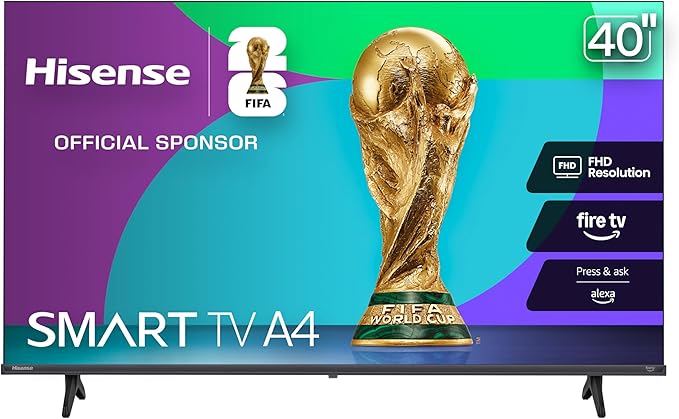
Hisense 50-Inch Class A6 Series 4K Smart TV
★★★★☆
The Hisense A6 Series represents one of the most affordable 4K TV options available, offering impressive picture quality and smart features at an unbeatable price point. Ideal for first-time 4K buyers or secondary bedroom TVs.
$299.99
Key Features:
- 50-inch 4K UHD display
- Google TV operating system
- Standard 60Hz refresh rate
- Dolby Vision HDR support
- Budget-friendly design and construction
- Compact footprint, space-saving dimensions
Pros: Lowest price option, compact size for smaller rooms, crisp 4K resolution, easy setup.
Cons: Smaller screen size, basic audio quality, lighter build materials, fewer advanced features.

3. Samsung 55-Inch Class AU7000 4K Smart TV
Samsung 55-Inch Class AU7000 4K Smart TV
★★★★☆
Samsung’s AU7000 combines reliability with smart features, delivering a 55-inch 4K experience backed by Samsung’s reputation for quality. The Tizen operating system provides seamless navigation and extensive app compatibility for all your entertainment needs.
$449.99
Key Features:
- 55-inch 4K UHD resolution
- Samsung Tizen OS with universal remote
- Motion Xcelerator technology for sports and gaming
- PurColor technology for vivid colors
- Multiple connectivity options
- Standard 60Hz refresh rate
Pros: Samsung brand reliability, intuitive Tizen interface, excellent color reproduction, responsive performance.
Cons: Higher price near $500 ceiling, modest gaming capabilities, standard HDR implementation.

4. LG 55UP7050 55-Inch 4K Smart TV
LG 55UP7050 55-Inch 4K Smart TV
★★★★★
LG’s UP7050 series brings premium features to the budget segment, featuring their acclaimed webOS platform, excellent black levels, and impressive overall performance. A standout choice for those prioritizing picture quality within tight budgets.
$429.99
Key Features:
- 55-inch 4K UHD IPS panel display
- LG webOS smart TV platform
- IPS panel technology for wide viewing angles
- Dual 5W stereo speakers with clear audio
- Magic Remote support (sold separately)
- USB 3.0 and HDMI 2.0 connectivity
Pros: Outstanding webOS interface, superior viewing angles with IPS panel, excellent customer satisfaction, reliable LG support.
Cons: Mid-range brightness, no advanced gaming features, standard 60Hz refresh rate.

5. Amazon Fire TV 55-Inch Omni Series 4K Smart TV

Amazon Fire TV 55-Inch Omni Series 4K Smart TV
★★★★☆
Amazon’s Fire TV Omni Series seamlessly integrates with the Amazon ecosystem, offering voice control, smart home features, and exclusive Prime Video optimization. Perfect for Prime members seeking a fully integrated entertainment experience.
$399.99
Key Features:
- 55-inch 4K UHD display
- Fire TV operating system with Alexa integration
- Built-in Fire TV voice remote
- Smart home hub functionality
- Prime Video and Amazon Music optimization
- Dolby Atmos and Dolby Vision support
Pros: Excellent Fire TV integration, smart home hub features, Alexa voice control, Prime Video optimization, competitive pricing.
Cons: Limited app selection compared to competitors, Fire TV interface learning curve, ecosystem lock-in.
Complete Buying Guide: 4K TVs Under $500
Understanding 4K Resolution and Why It Matters
4K Ultra High Definition (UHD) provides four times the pixel density of standard 1080p HD, resulting in sharper images, finer details, and superior visual clarity. For anyone transitioning from older display technologies, 4K TVs deliver a noticeable upgrade in picture quality. In 2026, 4K has become the standard across budget segments, making it the baseline expectation rather than a premium feature.
Screen Size Considerations
Choosing the right screen size depends on viewing distance and room dimensions. For typical living rooms, 55-inch displays offer the ideal balance between immersion and natural viewing comfort. The 50-inch option works best for bedrooms or smaller spaces where you sit closer to the TV. The general rule suggests sitting approximately 1.5 times the screen diagonal distance away; for 55 inches, that’s around 6.5 feet. Larger screens enhance movie experiences and gaming, while smaller screens suit compact environments.
Smart TV Operating Systems Explained
The operating system determines how intuitively you navigate content and access apps. Google TV provides a streamlined, user-friendly interface with excellent app integration and frequent updates. Tizen OS from Samsung offers responsive performance with strong customization options. WebOS from LG stands out for its intuitive design and excellent smart home integration. Fire TV appeals to Amazon ecosystem users with seamless Alexa integration and Prime Video optimization. Each platform has merit; your choice should align with your existing smart home devices and streaming preferences.
HDR Support and Picture Quality
High Dynamic Range (HDR) processing enhances contrast and color accuracy, making images more lifelike. Dolby Vision HDR represents the premium standard, though most budget models support standard HDR formats like HDR10. When comparing models, look for brightness levels (measured in nits); better TVs achieve 500-1000 nits for superior HDR performance. Contrast ratio affects black level depth—higher ratios provide more distinct separation between light and dark areas, crucial for movie watching and gaming.
Refresh Rate and Gaming Performance
Most budget 4K TVs feature 60Hz refresh rates, adequate for movies and general content. Gaming enthusiasts should prioritize Motion Xcelerator or TruMotion technologies that enhance frame clarity during fast-paced scenes. Response times matter less at 60Hz but become critical at higher refresh rates. If gaming isn’t your priority, 60Hz suffices perfectly for streaming content and everyday entertainment.
Audio Quality and Speaker Systems
Built-in speakers on budget TVs typically deliver adequate dialog clarity but lack cinematic immersion. Most models feature 5-20W speaker output, suitable for medium-sized rooms. For enhanced audio experiences, plan investing in a soundbar ($100-$300) which dramatically improves dialogue clarity, bass response, and overall immersion. Some models support Dolby Atmos virtual surround, though true surround effects require external speakers.
Connectivity and Ports
Budget 4K TVs typically include 3-4 HDMI ports and 1-2 USB ports. Modern HDMI 2.0 or 2.1 supports 4K content at 60Hz. Verify HDMI count if you’re connecting multiple devices simultaneously (cable box, gaming console, streaming device). USB ports enable firmware updates and external media playback. Wi-Fi 5 (802.11ac) or Wi-Fi 6 ensures smooth streaming without buffering issues.
Brand Reliability and Warranty
TCL, Hisense, Samsung, LG, and Amazon each offer different warranty terms and support levels. Samsung and LG bring decades of reliability and established service networks. TCL and Hisense provide excellent budget options with improving support infrastructure. Standard warranties cover one year of manufacturing defects. Extended warranties ($50-$100) provide additional peace of mind. Check Amazon reviews for long-term reliability data from actual owners.
Energy Efficiency
Modern 4K TVs incorporate LED backlighting with intelligent power management, consuming 50-80W during typical use. Compared to older plasma or early LED displays, current models are significantly more efficient. Look for Energy Star certification indicating superior power consumption characteristics, potentially saving $10-$20 annually on electricity costs.
Future-Proofing Your Purchase
4K content continues expanding through Netflix, Disney+, Amazon Prime Video, and 4K Blu-ray, making 4K support essential for future-proofing. All featured models include HDMI 2.0 or better, supporting current and near-future standards. Avoid older 2021-2022 models, as 2025-2026 TVs feature improved processor performance and slightly better picture processing algorithms.
Frequently Asked Questions
Q1: Is 4K TV worth buying under $500?
Answer: Absolutely. In 2026, 4K has become standard even in budget segments, offering exceptional value. The jump from 1080p to 4K is immediately noticeable, particularly on 50+ inch screens. You’ll enjoy four times sharper images for nearly the same price as older 1080p models. For streaming services like Netflix and Disney+ offering 4K content, the upgrade justifies itself within months of viewing. Budget 4K TVs provide genuine value for the investment.
Q2: Can I use a budget 4K TV for gaming?
Answer: Budget 4K TVs work for casual gaming, though they lack premium gaming features. Most feature 60Hz refresh rates, which is adequate for story-driven and turn-based games. For competitive gaming requiring 120Hz+ performance, consider gaming-specific models outside this budget. That said, the listed models handle PlayStation 5 and Xbox Series X gaming reasonably well at 4K/60fps, sufficient for most players. If gaming represents your primary activity, budget constraints might prioritize refresh rates over screen size.
Q3: What’s the actual difference between brands under $500?
Answer: Under $500, differences center on operating system, panel technology, and brand support rather than picture quality fundamentals. TCL and Hisense offer excellent value with straightforward performance. Samsung brings Tizen’s responsive interface and reliable performance. LG’s webOS is widely considered most intuitive and feature-rich. Amazon’s Fire TV excels for Prime members with smart home integration. Picture quality variation is minimal; your choice should prioritize the operating system you find most enjoyable and compatible with your existing devices.
Q4: Should I buy 50-inch or 55-inch TVs?
Answer: Screen size selection depends on room dimensions and viewing distance. 50-inch TVs suit bedrooms, smaller apartments, or spaces where you sit 5-6 feet away. 55-inch delivers optimal immersion in standard living rooms where viewers sit 6-8 feet away. The $100-$150 price difference between sizes is minimal, so prioritize comfort over cost. Sitting too close to undersized screens reduces the 4K resolution benefits; oversized screens in small rooms create viewing strain. Measure your typical viewing distance and consult manufacturer viewing distance recommendations.
Q5: Do I need additional equipment with these TVs?
Answer: These TVs function perfectly standalone for streaming services accessed through built-in apps. However, optional additions enhance experiences: external soundbars ($100-$300) dramatically improve audio quality beyond built-in speakers; streaming devices like Roku or Apple TV (if choosing non-smart TV models) aren’t necessary here since all listed models include apps; HDMI cables for additional devices come standard. The TVs operate completely standalone, but strategic additions optimize specific uses like movie watching or gaming.
Final Verdict: Best 4K TV Under $500
The budget 4K TV market in 2026 offers unprecedented value, with all featured models delivering genuine 4K resolution, smart platforms, and reliable performance. Your choice ultimately depends on operating system preference and room setup rather than picture quality variations.
Best Overall Value: The TCL 55-Inch Class S5 Series combines affordability, generous screen size, and intuitive Google TV integration, making it the optimal choice for most buyers seeking maximum value. Its $399 price point, 55-inch display, and reliable performance position it as the sweet spot for budget-conscious purchasers.
Most Affordable Option: The Hisense 50-Inch Class A6 Series at $299 provides entry-level 4K for those prioritizing cost minimization or requiring smaller screen sizes. Despite its budget positioning, it delivers authentic 4K resolution and functional smart features.
Best for Ecosystem Integration: The Amazon Fire TV 55-Inch Omni Series excels for Prime members and Amazon device users, offering smart home hub functionality and seamless Alexa integration at competitive pricing.
Best Picture Quality: The LG