Best Blenders 2026: Smoothies, Soups & Food Processing
Best Blenders 2026: Smoothies, Soups & Food Processing
Quick Comparison Table
| Product | Power | Capacity | Price Range | Best For |
|---|---|---|---|---|
| Vitamix 5200 | 2 HP | 64 oz | $300-400 | Professional blending |
| Ninja BL610 | 1000W | 72 oz | $80-120 | Budget-friendly smoothies |
| Blendtec Designer 725 | 3.8 HP | 75 oz | $400-550 | Hot soup making |
| Oster Pro 1200 | 1200W | 48 oz | $100-150 | Compact food processing |
| Instant Ace Cooking Blender | 1400W | 64 oz | $120-180 | Soups and heating |
Our Top 5 Blender Recommendations
Vitamix 5200 Professional-Grade Blender
The Vitamix 5200 stands as a benchmark for professional blending performance. With a robust 2-horsepower motor and variable speed control, this machine transforms whole ingredients into silky smoothies, nut butters, and hot soups through friction alone. The BPA-free 64-ounce container features sealed-bearing system technology, ensuring longevity and durability for years of daily use.
★★★★★
$349.95

Ninja BL610 Professional Blender – Budget Best
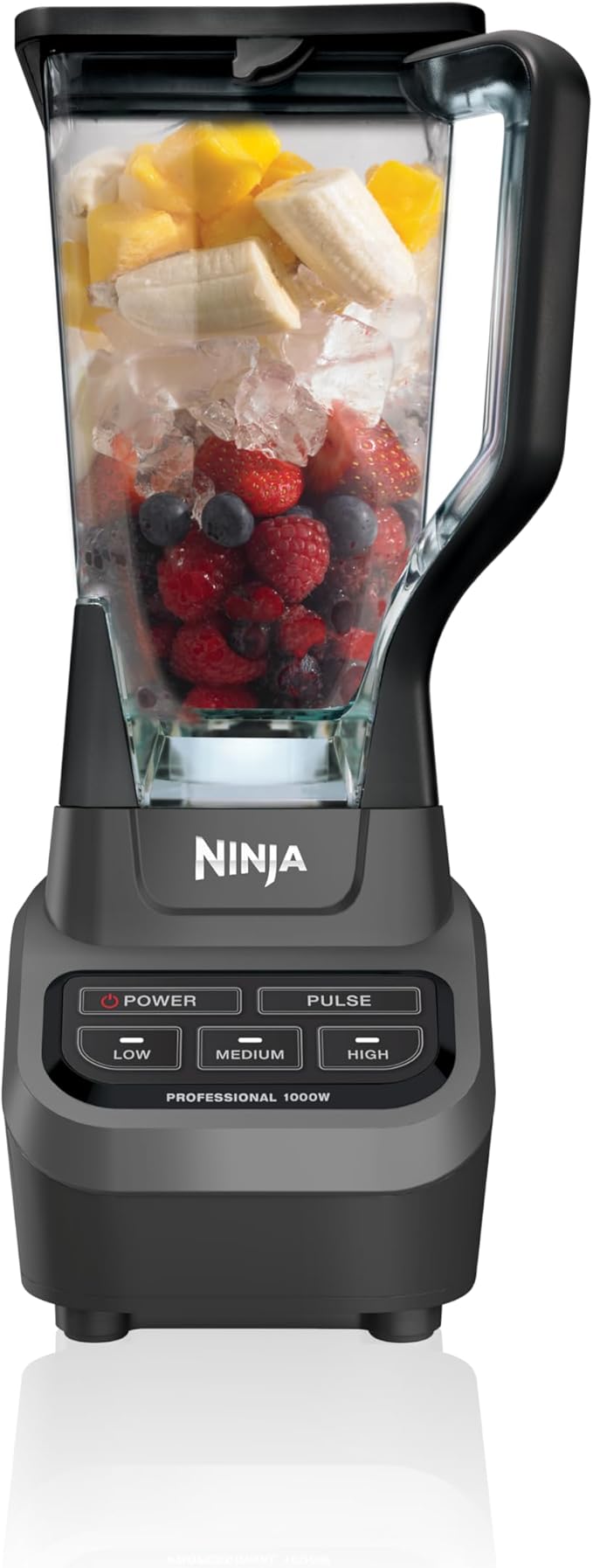
The Ninja BL610 delivers exceptional value without compromising performance. Its 1000-watt motor crushes ice, frozen fruit, and leafy greens with ease. The 72-ounce pitcher accommodates whole recipes, while the three preset speeds and pulse function provide precise control. Dishwasher-safe components make cleanup effortless, and the no-slip feet ensure stability during operation.
★★★★☆
$99.99

Blendtec Designer 725 Smart Blender
The Blendtec Designer 725 represents the pinnacle of blender innovation with smart cooking technology. Its powerful 3.8-horsepower motor generates enough heat through friction to create piping-hot soups without additional heat sources. The 75-ounce container and intuitive touchscreen interface simplify complex blending tasks. Ten pre-programmed cycles automate smoothies, ice cream, and doughs, while the wireless connectivity enables recipe guidance from mobile devices.
★★★★★
$499.95
Oster Pro 1200 Compact Blender
The Oster Pro 1200 combines power with portability, making it ideal for smaller kitchens and personal use. With a 1200-watt motor and 48-ounce capacity, it efficiently blends smoothies, protein shakes, and sauces. The reverse-action blade technology enables smoother blending with less heat generation. Multiple speed settings and pulse function provide versatility, while the sleek stainless steel design adds modern appeal to any countertop.
★★★★☆
$129.99

Instant Ace Cooking Blender
The Instant Ace Cooking Blender merges blending with heating technology for seamless one-step meal preparation. Its 1400-watt motor paired with a heating function eliminates the need for stovetop cooking when making soups, sauces, and nut butters. The 64-ounce stainless steel container retains temperature effectively, while eight pre-set programs simplify recipe preparation. Six-speed manual control allows customization for desired texture and consistency.
★★★★★
$149.95
Complete Blender Buying Guide for 2026
Understanding Blender Power and Performance
Blender power directly impacts performance across all applications. Measured in watts or horsepower, motor strength determines how efficiently a blender processes ingredients. A 1000-watt motor handles basic smoothies and soft fruits adequately, while commercial-grade machines with 2+ horsepower excel at crushing ice, processing whole vegetables, and creating hot soups through friction. For 2026, consumers should prioritize machines with at least 1200 watts for versatile home use, supporting everything from delicate herb blending to demanding frozen preparations.
Choosing the Right Capacity for Your Needs
Blender capacity ranges from 48 ounces for individuals to 75+ ounces for families and batch preparation. A 64-ounce container represents the sweet spot for most households, accommodating standard recipes while maintaining optimal blending efficiency. Larger capacities reduce required batching but may compromise blending quality if underfilled. Smaller containers provide portable options for personal smoothies and protein shakes. Consider your primary use: daily single-serving smoothies benefit from smaller capacities, while soup-making and meal prep favor larger containers that accommodate multiple servings simultaneously.
Key Features to Evaluate
Modern blenders incorporate diverse features beyond basic blending. Variable speed controls enable precise texture control from chunky to completely smooth. Pulse functions offer momentary control for manual processing. Preset programs automate common tasks like smoothie-making or ice-crushing. Some 2026 models feature heating capabilities, eliminating separate cooking steps for soups and sauces. Noise levels vary significantly—commercial-grade models tend toward higher decibels, while specialized designs prioritize quiet operation. Evaluate your kitchen environment and whether silent operation matters for early morning smoothie preparation.
Food Processing Capabilities and Versatility
Beyond liquid blending, quality blenders handle diverse food processing tasks. Dry-blade containers process grains, nuts, and seeds into flours and butters. Wet and dry ingredients blend simultaneously for quick bread batters and cookie doughs. Hot soup functions leverage friction heat to cook and puree ingredients without stovetop transfer. Some models include multiple container sizes and accessories for specialized functions. For maximum versatility in 2026, consider blenders offering either multiple attachments or standalone containers designed for specific tasks.
Durability and Warranty Considerations
Blender longevity depends on motor quality, bearing systems, and construction materials. Professional-grade models typically feature sealed bearing systems resisting contaminant infiltration and extending service life beyond a decade. BPA-free, impact-resistant containers prevent degradation from acidic ingredients and temperature extremes. Stainless steel components resist corrosion better than plastic alternatives. Warranty coverage varies dramatically: budget models offer 1-year protection, while premium brands extend coverage to 7-10 years. Investing in blenders with comprehensive warranties provides peace of mind and indicates manufacturer confidence in product reliability.
Noise Levels and Kitchen Integration
Blender noise ranges from 70 decibels for efficient models to 90+ decibels for high-performance machines. Early morning smoothie enthusiasts should prioritize quieter options, particularly those with sound insulation or specialized blade designs minimizing air turbulence. Noise ratings appear in product specifications but prove less reliable than independent reviews describing actual operational sound. Consider blender placement options—vibration-damping mats and locating machines on stable, reinforced surfaces reduce transmitted noise through countertops and cabinetry.
Cleaning and Maintenance Requirements
Blender maintenance significantly affects long-term satisfaction and product lifespan. Machines with dishwasher-safe containers and components simplify cleanup following heavy-use sessions. Self-cleaning cycles—activated by adding warm water and dish soap, then running at high speed—efficiently remove blended residue without disassembly. Sealed bearing systems eliminate crevices where bacteria and mold accumulate. For optimal performance, rinse containers immediately after use and dry thoroughly before storage, preventing mineral deposits and mildew growth particularly important in humid climates.
Price-to-Performance Analysis for 2026
Blender pricing spans $50 to $600+, reflecting capability differences rather than linear performance progression. Budget models ($80-150) provide excellent smoothie functionality for casual users. Mid-range machines ($150-300) add heating capabilities, larger capacities, and extended warranties. Premium models ($400+) justify costs through commercial-grade durability, advanced technology, and specialized features. For most households, $150-250 investments deliver optimal balance between capability and value, supporting diverse blending tasks without premium pricing for commercial-kitchen features.
Frequently Asked Questions About Blenders
Can blenders heat ingredients while blending?
Yes, high-powered blenders generate sufficient friction heat to warm ingredients during extended blending cycles. Blendtec and Vitamix models specifically optimize this feature for hot soup production. Starting with room-temperature liquid ingredients and blending at high speeds for 5-8 minutes typically produces 160-180-degree results. Dedicated cooking blenders like the Instant Ace include heating elements for accelerated temperature increase, reaching serving temperatures in 2-3 minutes. This feature eliminates stovetop cooking for soups, nut butters, and sauces, significantly reducing kitchen cleanup.
What’s the difference between blending and food processing?
Blenders excel at creating smooth, liquid textures from wet or moistened ingredients through high-speed blade rotation. Food processors provide more textured results with varied consistency control, handling dry ingredients and chopping without creating smoothness. Modern blenders blur these distinctions with specialized containers and programs enabling food processing tasks traditionally requiring separate appliances. For most home cooks, a quality blender handles both applications, though dedicated food processors offer superior control for chunky preparations and precise cutting.
How often should I replace blender blades?
Quality blender blades rarely require replacement, often lasting the machine’s entire lifespan with proper care. Most manufacturers integrate blades into non-removable assemblies, eliminating replacement options. Signs indicating blade degradation include reduced blending efficiency, unusual grinding sounds, or visible blade dulling. Proper use—avoiding hard pits, bones, and extreme temperatures—extends blade life indefinitely. Most users replace blenders due to motor failure or desired feature upgrades before blade wear necessitates replacement, making blade longevity a non-issue for well-maintained machines.
Are personal blenders adequate for daily smoothie preparation?
Personal blenders (16-32 ounces) excel for individual smoothie preparation, offering portability and minimal cleanup. Most feature sufficient power for basic fruit and yogurt combinations, with capacity perfectly matching single servings. However, personal blenders struggle with nut butters, hot soups, and tougher ingredients like leafy greens or whole grains. For varied usage beyond single smoothies, mid-sized models (48-64 ounces) provide better versatility without excessive bulk. Personal blenders work excellently as secondary machines for travelers or supplement existing larger blenders.
What maintenance extends blender lifespan?
Simple maintenance practices dramatically extend blender longevity. Immediate post-use rinsing prevents ingredient buildup in bearing areas and blade assemblies. Running self-cleaning cycles weekly removes accumulated residue and microbes. Allowing motors adequate cooling periods between sessions prevents thermal stress and bearing degradation. Avoiding frozen-solid ingredients requires thawing beforehand—blending partially-frozen items reduces motor strain. Proper storage in cool, dry environments protects electrical components and bearing systems. Most blender failures stem from use neglect rather than manufacturing defects, making maintenance paramount for 7-10+ year service life.
Final Verdict
The best blender for 2026 depends on your specific priorities and usage patterns. The Vitamix 5200 remains the gold standard for professional-quality blending performance, justifying its premium price through exceptional durability and results. Budget-conscious buyers receive outstanding value from the Ninja BL610, handling smoothies and basic food processing without premium costs. The Blendtec Designer 725 leads smart blender innovation with heating technology and connected features for tech-forward kitchens. For compact spaces, the Oster Pro 1200 combines power with portability at reasonable pricing. The Instant Ace Cooking Blender bridges mid-range affordability with practical heating capabilities beneficial for soup-making and time-saving meal preparation.
Successful blender selection requires matching machine capabilities with realistic usage expectations. Most households achieve exceptional satisfaction within the $150-250 range, balancing feature richness with accessible pricing. Premium models excel for serious cooks, commercial applications, and long-term reliability investments. Remember that today’s blender becomes tomorrow’s kitchen staple—investing in quality construction, comprehensive warranties, and sufficient power ensures years of smoothies, soups, and processed foods. Regardless of selection, proper maintenance and realistic expectations regarding capabilities ensure customer satisfaction across all price ranges.
Ready to revolutionize your blending experience? Explore our top recommendations and find the perfect blender matching your kitchen needs and budget. Each option represents exceptional value within its category, delivering the smooth textures, hot soups, and processed foods your household desires.