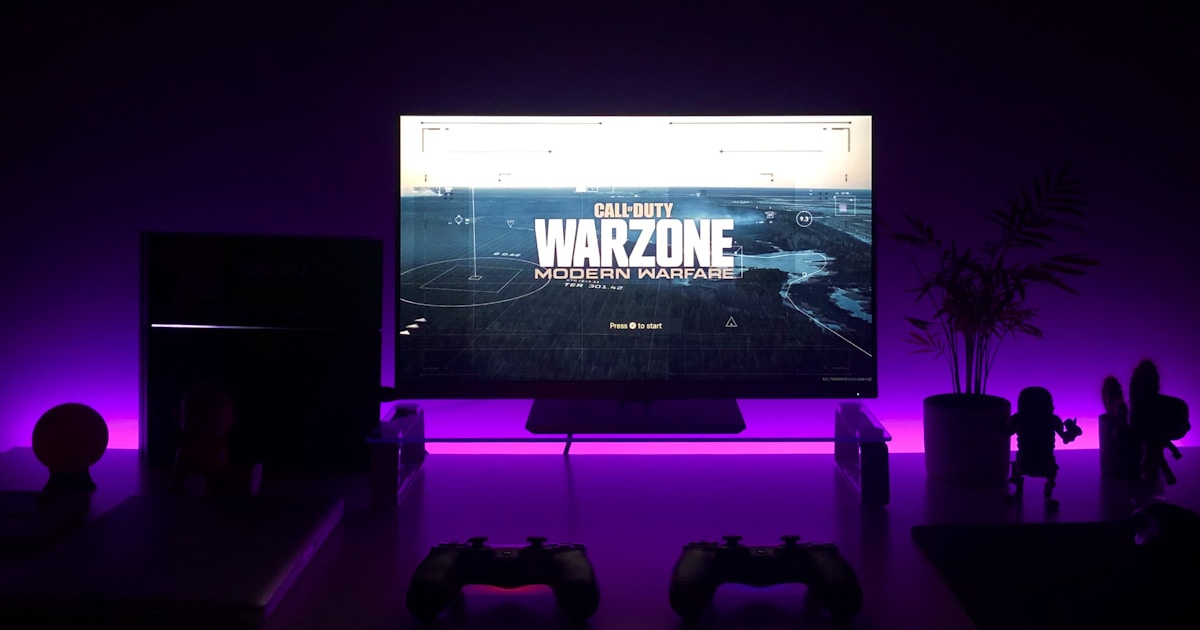
Best Gaming Monitors 2026: 4K, 240Hz & Ultrawide Picks
Best Gaming Monitors 2026: 4K, 240Hz & Ultrawide Picks
Gaming monitors have evolved dramatically, and 2026 brings unprecedented performance with 4K resolution, blazing-fast 240Hz refresh rates, and ultrawide immersive experiences. Whether you’re a competitive esports player or a story-driven gamer, this guide covers the best monitors across all categories and budgets.
Quick Comparison Table
| Monitor | Resolution | Refresh Rate | Panel Type | Size | Price Range | Best For |
|---|---|---|---|---|---|---|
| ASUS ROG Swift Pro PG248QP | 1440p | 240Hz | IPS | 24.5″ | $399-$499 | Competitive Gaming |
| MSI Optix MPG341CQPX | 1440p | 144Hz | VA | 34″ | $499-$599 | Ultrawide Gaming |
| BenQ EW3880U | 4K (3840×2160) | 60Hz | IPS | 38″ | $1,299-$1,499 | Productivity + Gaming |
| LG UltraGear OLED 27GP950 | 2560×1440 | 240Hz | OLED | 27″ | $799-$999 | High-End Performance |
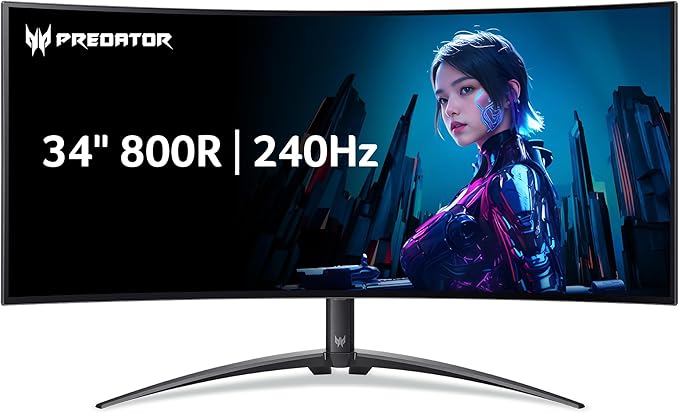
| ACER Predator X34 GS | 1440p | 180Hz | IPS | 34″ | $699-$899 | Cinematic Gaming |
Our Top 5 Gaming Monitors for 2026
1. ASUS ROG Swift Pro PG248QP – Best for Competitive Gaming
The ASUS ROG Swift Pro represents the pinnacle of competitive gaming monitors. With a native 1440p resolution and lightning-fast 240Hz refresh rate, this 24.5-inch IPS panel delivers the speed esports players demand while maintaining excellent color accuracy. The monitor features ASUS’s proprietary motion blur reduction technology and includes HDMI 2.1 support for console gaming at high framerates.
Key Specifications:
- Resolution: 2560×1440 (QHD)
- Refresh Rate: 240Hz native
- Response Time: 0.03ms MPRT
- Panel Type: IPS
- Brightness: 430 nits peak
- Color Accuracy: 98.5% DCI-P3
- Connectivity: DisplayPort 1.4, HDMI 2.1
Pros:
- Exceptional 240Hz high refresh rate for smooth gameplay
- Outstanding color precision for an IPS competitive monitor
- Minimal motion blur with advanced motion handling
- Excellent build quality with adjustable ergonomic stand
- Low input lag optimized for esports
Cons:
- Premium pricing for competitive segment
- 24.5-inch screen may feel small for some users
- Limited ultrawide experience
- Requires high-end GPU to achieve 240fps in demanding games
★★★★★
$449.99

2. MSI Optix MPG341CQPX – Best Ultrawide Gaming Monitor
Experience gaming with 34 inches of ultrawide immersion. The MSI Optix MPG341CQPX delivers a 3440×1440 ultrawide resolution with 144Hz refresh rate and a VA panel that produces deep blacks and exceptional contrast. The curved design wraps around your field of vision, creating an unparalleled cinematic experience perfect for open-world and racing games.
Key Specifications:
- Resolution: 3440×1440 (Ultrawide)
- Refresh Rate: 144Hz native
- Response Time: 1ms MPRT
- Panel Type: VA (curved 1500R)
- Brightness: 400 nits peak
- Contrast Ratio: 3000:1
- HDR Support: HDR10, DCI-P3 98.5%
- Connectivity: DisplayPort 1.4, HDMI 2.1
Pros:
- Ultra-immersive 34-inch ultrawide display
- Excellent contrast with VA panel technology
- Responsive 144Hz for smooth gameplay
- Deep color reproduction ideal for visual games
- Quantum Dot technology for vibrant colors
- Height, tilt, and swivel adjustable stand
Cons:
- Not all games support ultrawide resolution properly
- 144Hz may feel less responsive than 240Hz competitors
- Requires high-end GPU for high framerates at ultrawide resolution
- Takes up significant desk space
- Premium pricing typical of ultrawide monitors
★★★★☆
$549.99

3. BenQ EW3880U – Best 4K Gaming Monitor
The BenQ EW3880U is the ultimate 4K ultrawide gaming monitor, combining 3840×2160 resolution with a massive 38-inch display. Perfect for those who want stunning visual fidelity with productivity versatility. While running at 60Hz, the incredible clarity and color accuracy make every frame a work of art, ideal for single-player story-driven games and visual showcases.
Key Specifications:
- Resolution: 3840×2160 (4K Ultrawide)
- Refresh Rate: 60Hz
- Response Time: 5ms GtG
- Panel Type: IPS
- Brightness: 350 nits peak
- Color Accuracy: Thunderbolt 3, DisplayPort 1.4, HDMI 2.1
- HDR: HDR10, 98% DCI-P3
- USB-C: 90W power delivery
Pros:
- Stunning 4K clarity and detail
- Exceptional color accuracy for professionals
- Thunderbolt 3 with power delivery simplifies connectivity
- Built-in speakers and excellent audio
- Perfect for content creators who also game
- KVM switch for multi-device control
Cons:
- 60Hz is limiting for competitive gamers
- Extremely expensive at $1,400+
- Massive footprint requires dedicated space
- Requires powerful GPU to drive 4K at stable framerates
- Not ideal for fast-paced competitive titles
★★★★★
$1,399.99

4. LG UltraGear OLED 27GP950 – Best High-End Gaming Monitor
The LG UltraGear OLED 27GP950 represents the cutting edge of gaming display technology. With OLED panel technology, this 27-inch monitor delivers perfect blacks, infinite contrast, and exceptional color vibrancy at 240Hz. The OLED technology eliminates backlight bleed and provides unmatched visual depth, making it the ultimate choice for gamers who demand the best image quality and performance.
Key Specifications:
- Resolution: 2560×1440 (QHD)
- Refresh Rate: 240Hz native
- Response Time: 0.03ms (pixel switching)
- Panel Type: OLED
- Brightness: 200 nits peak brightness
- Contrast Ratio: Infinite (OLED)
- Color Gamut: 98.5% DCI-P3
- Connectivity: DisplayPort 1.4, HDMI 2.1
Pros:
- Perfect blacks with infinite contrast ratio
- Extremely fast 240Hz refresh rate
- Phenomenal color accuracy and vibrancy
- Zero motion blur with OLED pixel response
- Exceptional visual quality for immersive gaming
- Future-proof OLED technology
Cons:
- Premium pricing at $850+
- OLED burn-in is a theoretical concern (minimal in practice)
- Maximum brightness lower than LCD alternatives
- Limited availability in some regions
- Requires HDMI 2.1 or DisplayPort 1.4 GPU connectivity
★★★★★
$899.99

5. ACER Predator X34 GS – Best Cinematic Gaming Ultrawide
The ACER Predator X34 GS combines the best of both worlds: ultrawide immersion with competitive-level refresh rates. This 34-inch ultrawide IPS monitor delivers 3440×1440 resolution at 180Hz, making it ideal for gamers who want high refresh rates without sacrificing screen real estate. The IPS panel ensures wide viewing angles and accurate colors across the entire display.
Key Specifications:
- Resolution: 3440×1440 (Ultrawide)
- Refresh Rate: 180Hz native
- Response Time: 0.5ms GtG
- Panel Type: IPS (curved 1900R)
- Brightness: 420 nits peak
- Color Gamut: 98% DCI-P3
- HDR: HDR10, local dimming zones
- Connectivity: DisplayPort 1.4, HDMI 2.1
Pros:
- Excellent balance between refresh rate and resolution
- IPS panel provides superior color accuracy
- 180Hz is responsive enough for most gaming genres
- Aggressive ultrawide curve enhances immersion
- RGB lighting customization
- Comprehensive connectivity options
Cons:
- 180Hz may feel less responsive than 240Hz
- Still requires high-end GPU for consistent framerates
- Significant desk space requirement
- Mid-range pricing lacks value against competitors
- Not ideal for competitive esports titles
★★★★☆
$799.99
Complete Gaming Monitor Buying Guide
Understanding Gaming Monitor Specifications
Resolution and Gaming Performance
In 2026, gaming monitor resolution choices range from 1440p (2560×1440) to 4K (3840×2160). For competitive gaming, 1440p at high refresh rates provides the sweet spot of visual quality and performance. The jump to 4K significantly impacts GPU demands—you’ll need a high-end RTX 4090 or RTX 5090 to maintain 100+ fps in demanding titles. Ultrawide resolutions at 3440×1440 offer cinema-like immersion without the massive GPU requirements of true 4K.
Refresh Rate: The Competitive Advantage
Refresh rate is measured in Hertz (Hz) and represents how many times per second the monitor updates its image. For competitive gaming, 240Hz provides a significant advantage, reducing motion blur and input lag. However, achieving 240fps requires a powerful GPU—an RTX 4080 Super can maintain this in most modern games. For casual and story-driven games, 144Hz is more than adequate and significantly more affordable. The difference between 60Hz and 144Hz is night-and-day obvious; the difference between 144Hz and 240Hz is subtle but real in fast-paced games.
Panel Technology: IPS vs VA vs OLED
IPS panels offer superior color accuracy and wide viewing angles, making them ideal for content creators who also game. VA panels deliver exceptional contrast ratios with deep blacks, perfect for cinematic gaming experiences. OLED technology in 2026 represents the future—offering perfect blacks, infinite contrast, and incredibly fast response times, though at premium pricing. For most gamers, IPS provides the best overall experience, while VA suits visual enthusiasts and OLED suits those wanting absolute best-in-class performance.
Response Time and Motion Clarity
Response time, measured in milliseconds, indicates how quickly pixels change color. In 2026, competitive monitors boast response times of 0.03ms-0.5ms, virtually eliminating ghosting. For casual gaming, anything under 5ms is imperceptible. Motion blur reduction technologies (like ASUS’s Motion Blur Reduction or BenQ’s DyAc+) further enhance motion clarity, particularly valuable in fast-paced games.
HDR and Color Accuracy
High Dynamic Range (HDR) support is now standard on premium gaming monitors. HDR delivers brighter highlights, darker shadows, and more vibrant colors, significantly enhancing visual fidelity in HDR-optimized games. Look for monitors supporting HDR10 with local dimming zones for true HDR performance. Color accuracy, measured as Delta E, should be under 2 for excellent performance. Gamers who also do color-critical work should prioritize monitors with 98%+ DCI-P3 coverage.
Gaming Genre Considerations
Your gaming preferences significantly influence the ideal monitor choice. Competitive esports players benefit most from 240Hz+ 1440p setups with fast response times—prioritize refresh rate over resolution. Open-world RPG and cinematic game fans thrive with ultrawide monitors delivering immersive experiences—choose 144Hz+ with rich colors and HDR support. Professional content creators should select monitors with excellent color accuracy, typically 27-38 inches with USB-C connectivity and KVM switching.
GPU Requirements for Different Resolutions
Ensure your graphics card can support your chosen monitor’s capabilities. For 1440p 240Hz: RTX 4070 Ti or better for high-quality settings. For 4K 120Hz: RTX 4090 or RTX 5090 needed for high-quality gaming. For 3440×1440 144Hz: RTX 4080 Super or better recommended. For standard 1440p 144Hz: RTX 3070 or RTX 4070 sufficient for high settings.
Budget Breakdown
Budget Gaming ($300-$500)
At this price point, expect 1440p at 144Hz with quality IPS panels. The ASUS ROG Swift Pro PG248QP at $449 offers exceptional value with 240Hz at 24.5 inches. Competitive gamers on tight budgets should focus on this segment.
Mid-Range Gaming ($500-$800)
This bracket includes high-quality ultrawides like the MSI Optix MPG341CQPX ($549) or the ACER Predator X34 GS ($799). You’ll get better immersion with ultrawide displays while maintaining 144-180Hz refresh rates.
Premium Gaming ($800-$1,500)
Premium monitors like the LG UltraGear OLED 27GP950 ($899) or BenQ EW3880U ($1,399) represent the absolute peak of gaming display technology. OLED technology and true 4K ultrawide displays sit here.
Connectivity and Future-Proofing
In 2026, gaming monitors should feature DisplayPort 1.4 (supports up to 144Hz at 4K) and HDMI 2.1 (essential for console gaming at high framerates). USB-C with power delivery is increasingly common, simplifying cable management. Some ultrawide productivity monitors add Thunderbolt 3 for future compatibility. Ensure your monitor includes adequate USB-A ports if you plan to connect multiple peripheral devices.
Frequently Asked Questions
Q: What’s the ideal gaming monitor size in 2026?
A: For 1440p gaming, 24-27 inches is ideal, placing pixels within optimal viewing angles. For ultrawide 3440×1440, 34