
Best OLED TVs 2026: Samsung, LG & Sony Compared
Best OLED TVs 2026: Samsung, LG & Sony Compared
Quick Comparison Table
| Model | Brand | Screen Size | Resolution | Refresh Rate | Price |
|---|---|---|---|---|---|
| Samsung S95D OLED | Samsung | 55″, 65″, 77″ | 4K (3840×2160) | 120Hz | $1,797.99 |
| LG C4 OLED | LG | 55″, 65″, 77″, 83″ | 4K (3840×2160) | 120Hz | $1,599.99 |
| Sony K95XR OLED | Sony | 55″, 65″, 77″ | 4K (3840×2160) | 120Hz | $2,498.00 |
| LG G4 OLED | LG | 55″, 65″, 77″, 83″ | 4K (3840×2160) | 144Hz | $2,199.99 |
| Samsung S90D OLED | Samsung | 55″, 65″, 77″ | 4K (3840×2160) | 120Hz | $1,397.99 |
Our Top 5 OLED TV Recommendations
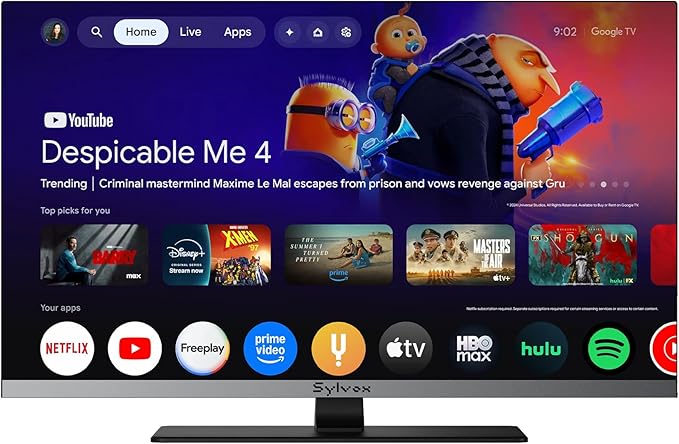
1. Samsung S95D OLED – Premium Brightness & Performance
The Samsung S95D stands as Samsung’s flagship OLED offering for 2026, featuring exceptional brightness levels and advanced processing technology that elevates the viewing experience across all content types.
Key Features
- Peak brightness of 3,000 nits with OLED panel
- Neural Quantum Processor with AI upscaling
- 144Hz variable refresh rate for gaming
- Vision Booster Max technology
- Samsung TV Plus integrated streaming
- Available in 55″, 65″, and 77″ sizes
Performance & Quality
★★★★★
Price
$1,797.99
Pros
- Exceptional brightness levels for OLED
- Excellent color accuracy and processing
- Great gaming capabilities with 144Hz support
- Sleek design with minimal bezels
Cons
- Premium pricing
- May be overkill for casual viewers
- Limited to smaller screen sizes
2. LG C4 OLED – Best Overall Value
The LG C4 represents the sweet spot between performance and affordability, offering exceptional picture quality with excellent gaming features and a comprehensive size range.
Key Features
- WOLED panel technology with excellent contrast
- 120Hz native refresh rate
- AI-powered upscaling for lower-resolution content
- Available in 55″, 65″, 77″, and 83″ models
- WebOS 24 smart TV platform
- AMD FreeSync and G-Sync compatible
Performance & Quality
★★★★★
Price
$1,599.99
Pros
- Excellent price-to-performance ratio
- Multiple size options available
- Great for gaming and sports
- User-friendly WebOS interface
- Reliable LG OLED technology
Cons
- Brightness slightly lower than premium models
- No built-in soundbar
- May require separate audio system

3. Sony K95XR OLED – Premium Picture Processing
Sony’s K95XR combines advanced picture processing with exceptional build quality, offering one of the most refined viewing experiences available in 2026 for movie enthusiasts and discerning viewers.
Key Features
- XR OLED panel with exceptional color accuracy
- Cognitive Processor XR with object-based processing
- Triluminos Pro for superior color reproduction
- Acoustic Surface Pro speakers integrated
- 360Hz motion interpolation
- 55″, 65″, and 77″ screen sizes
Performance & Quality
★★★★★
Price
$2,498.00
Pros
- Superior color accuracy and processing
- Built-in premium audio system
- Excellent upscaling capabilities
- Premium build quality and design
- Perfect for movie enthusiasts
Cons
- Most expensive option
- Limited size range
- May be excessive for casual viewing
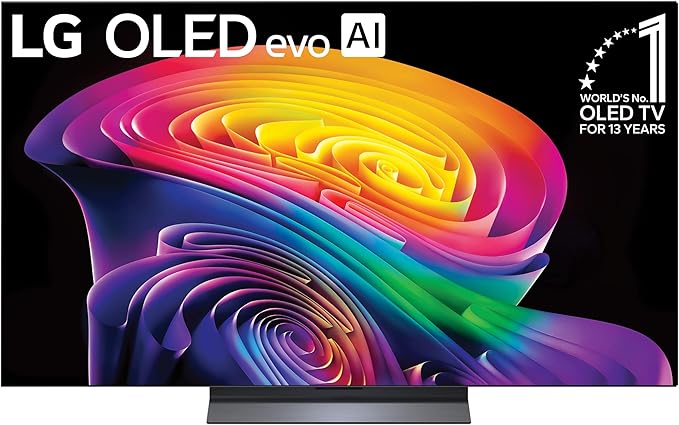
4. LG G4 OLED – Best for Gaming
The LG G4 is specifically optimized for gaming with its 144Hz native refresh rate, making it the ultimate choice for console and PC gamers looking for ultra-smooth gameplay.
Key Features
- 144Hz native refresh rate with HDMI 2.1
- 1ms response time for competitive gaming
- OLED Black Pro technology for perfect blacks
- Game Dashboard with customizable settings
- Available in 55″, 65″, 77″, and 83″ sizes
- Evo panel with enhanced brightness
Performance & Quality
★★★★★
Price
$2,199.99
Pros
- Best-in-class 144Hz refresh rate
- Exceptional for gaming and esports
- Excellent picture quality across all content
- Wide range of size options
- Low input lag and response time
Cons
- Higher price point
- Premium pricing for gaming focus
- May not justify cost for non-gamers

5. Samsung S90D OLED – Best Budget Option
The Samsung S90D offers a more accessible entry point into Samsung’s OLED lineup without compromising on core features and picture quality, making it ideal for budget-conscious shoppers.
Key Features
- Neural Quantum Processor for enhanced upscaling
- 120Hz refresh rate with variable refresh support
- Quantum Dot OLED technology
- Available in 55″, 65″, and 77″ sizes
- Samsung SmartThings integration
- Excellent contrast and black levels
Performance & Quality
★★★★☆
Price
$1,397.99
Pros
- Most affordable OLED option
- Excellent picture quality for the price
- Good processing capabilities
- Reliable Samsung OLED technology
- Great for general viewing
Cons
- Lower brightness than premium models
- Fewer size options
- Limited high-refresh gaming support

Complete OLED TV Buying Guide 2026
Understanding OLED Technology
OLED (Organic Light Emitting Diode) technology has revolutionized television displays. Unlike traditional LED TVs that use backlighting, each pixel in an OLED display produces its own light. This allows for true blacks since pixels can be completely turned off, resulting in infinite contrast ratios. In 2026, OLED technology has matured significantly with improvements in brightness, durability, and energy efficiency.
Samsung vs LG vs Sony OLED TVs
Samsung uses Quantum Dot OLED (QD-OLED) technology, combining quantum dots with OLED panels for superior brightness and color volume. Their 2026 lineup emphasizes brightness and gaming performance.
LG pioneered WOLED (White OLED) technology and maintains market leadership with mature, reliable panels. LG excels in affordability while maintaining excellent picture quality and extensive size options.
Sony sources OLED panels from LG but adds exceptional processing power through their Cognitive Processor XR. Sony TVs are premium-priced but offer superior upscaling and color accuracy that appeals to discerning viewers and movie enthusiasts.
Key Features to Consider
Brightness: Peak brightness is crucial for OLED TVs. Modern OLED panels reach 1,000-3,000 nits at peak, allowing visibility in bright rooms without sacrificing picture quality.
Refresh Rate: 120Hz is standard in 2026, with premium models like the LG G4 offering 144Hz for superior gaming performance and smoother motion.
Size Options: Consider available screen sizes. LG offers the widest range including 83″ models, while Samsung and Sony focus on 55″-77″ sizes.
Processing Power: Advanced processors improve upscaling of lower-resolution content and overall picture quality. Sony’s Cognitive Processor and Samsung’s Neural Quantum Processor both excel in this area.
Audio Quality: Some models like Sony K95XR include integrated premium audio systems, while others may require external speakers.
Price Considerations for 2026
OLED TV prices in 2026 have become more accessible compared to previous years. Entry-level OLED TVs start around $1,400, while premium models can exceed $2,500. Consider your budget and prioritize features that matter most: brightness for bright rooms, gaming performance for console players, or processing quality for movie enthusiasts.
Use Case Recommendations
For Movie Lovers: Choose the Sony K95XR for superior color accuracy and processing, or the LG C4 for excellent value with great picture quality.
For Gamers: The LG G4 with 144Hz refresh rate is the ultimate choice, offering competitive advantages in fast-paced games.
For Bright Rooms: Samsung S95D offers the brightest OLED experience with its Vision Booster Max technology.
For Budget-Conscious Buyers: Samsung S90D or LG C4 offer exceptional value with excellent OLED technology at more accessible prices.
Maintenance and Burn-In Concerns
Modern OLED TVs in 2026 include advanced anti-burn-in technologies like pixel shifting, screen savers, and panel protection. However, extreme static images shown for extended periods can still theoretically cause burn-in. Most manufacturers offer burn-in warranties and the technology has improved significantly. Normal viewing patterns present virtually no risk.
Frequently Asked Questions About OLED TVs
Q1: Are OLED TVs worth the extra cost compared to LED TVs?
Yes, OLED TVs justify their premium pricing through superior picture quality with true blacks, infinite contrast, perfect viewing angles, and faster response times. For anyone who values video quality, the investment pays off in the viewing experience. The gap in price has also narrowed significantly in 2026, making OLED more accessible.
Q2: How long do OLED panels last, and do they suffer from burn-in?
OLED panels are rated for approximately 30,000-100,000 hours of use depending on brightness levels. Modern OLED TVs include multiple anti-burn-in technologies. Actual burn-in is extremely rare with normal viewing patterns. Extended static images at maximum brightness could theoretically cause issues, but this is avoidable with normal use and built-in protections.
Q3: Which brand makes the most reliable OLED TVs in 2026?
All three brands—Samsung, LG, and Sony—manufacture reliable OLED TVs with excellent track records. LG has the longest OLED history and most extensive support infrastructure. Samsung’s QD-OLED technology is newer but highly reliable. Sony’s strict quality control and processing excellence make it equally dependable. Choose based on features and price rather than reliability concerns.
Q4: Should I choose 120Hz or 144Hz refresh rate?
For casual viewers and movie watchers, 120Hz is more than sufficient. The 144Hz option in the LG G4 provides competitive advantages for gaming and fast-action content. If gaming is a secondary consideration, save money with 120Hz models. Dedicated gamers will appreciate the extra smoothness of 144Hz.
Q5: What’s the difference between QD-OLED and WOLED technology?
Samsung’s QD-OLED adds quantum dots to OLED pixels, increasing brightness and color volume while maintaining OLED’s benefits. LG’s WOLED uses white OLED pixels with color filters and is more mature technology. In practice, both deliver excellent picture quality. QD-OLED offers superior brightness, while WOLED excels in reliability and availability. Performance differences are subtle for most viewers.
Final Verdict: Best OLED TVs 2026
The OLED TV market in 2026 offers exceptional options for every budget and use case. The LG C4 OLED emerges as the best overall choice, delivering excellent picture quality, gaming performance, and affordability at $1,599.99. Its versatility across all content types and available size options make it the most balanced recommendation.
For premium performance, the Samsung S95D offers unmatched brightness and gaming capabilities at $1,797.99. For gaming enthusiasts specifically, the LG G4’s 144Hz refresh rate justifies its $2,199.99 price tag. Movie lovers will appreciate the Sony K95XR’s superior processing, while budget-conscious shoppers can confidently select the Samsung S90D at $1,397.99 for solid OLED performance without premium pricing.
All five models represent excellent value in 2026’s OLED market. Your decision should prioritize your primary use case—gaming, movies, bright room viewing, or mixed use—combined with your budget constraints. Any of these selections will deliver a transformative viewing experience compared to traditional LED televisions.