Best USB Microphones 2026: For Streaming & Meetings
Best USB Microphones 2026: For Streaming & Meetings
Table of Contents
Quick Comparison Table
| Product | Type | Price | Polar Pattern | Best For |
|---|---|---|---|---|
| Audio-Technica AT2020USB-X | Condenser | $149.99 | Cardioid | Podcasting & Streaming |
| Blue Yeti X | Condenser | $119.99 | 4 Modes | Gaming & Streaming |
| Rode NT1 Signature | Condenser | $209.99 | Cardioid | Professional Recording |
| HyperX QuadCast S | Condenser | $139.99 | Cardioid | Gaming & Streaming |
| Elgato Wave:3 | Condenser | $99.99 | Cardioid | Streaming & Meetings |
Top USB Microphones for 2026
1. Audio-Technica AT2020USB-X

$149.99
Key Features:
- 16mm cardioid condenser capsule
- Switchable 80Hz high-pass filter
- Built-in headphone monitoring output
- On-mic level control and mute button
- Works with USB 2.0 and 3.0
- No software driver required
Pros:
- Excellent audio quality and clarity
- Durable metal construction
- Plug-and-play simplicity
- Professional-grade features at competitive price
- Great for podcasters and streamers
Cons:
- Requires mic stand (not included)
- No RGB lighting for gaming
- Slightly heavier than competitors
The Audio-Technica AT2020USB-X is the gold standard for content creators who prioritize sound quality. This cardioid condenser microphone captures your voice with crystal clarity while minimizing background noise. The switchable high-pass filter removes rumble, making it ideal for both streaming and podcasting. Its compact design fits any setup, and the on-mic controls let you adjust levels without touching your computer.

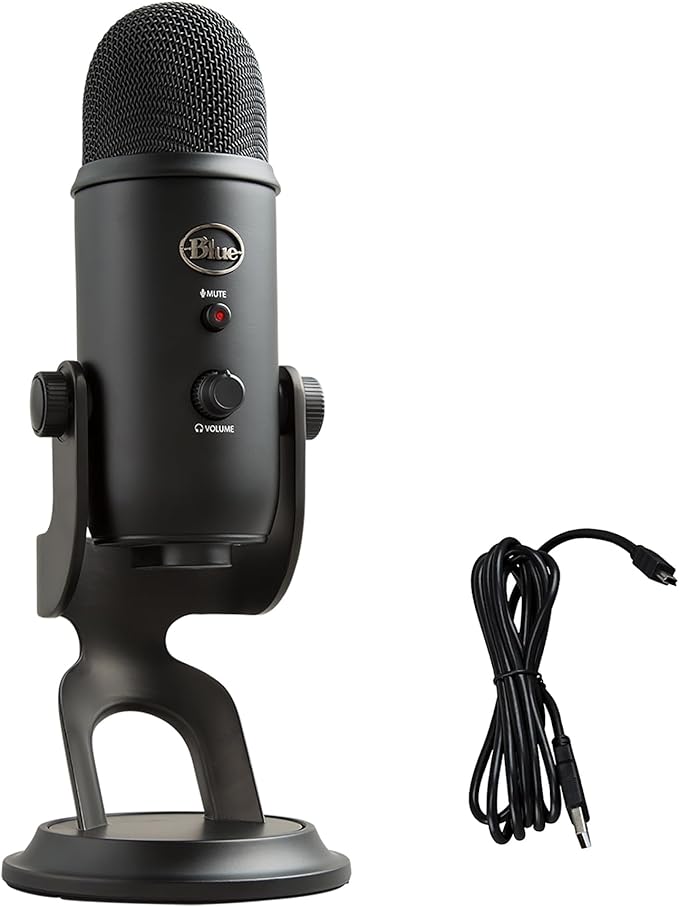
2. Blue Yeti X

$119.99
Key Features:
- 4 pickup patterns (cardioid, omnidirectional, bidirectional, stereo)
- Dual-tap mute footprint sensor
- Volume and gain controls
- Logitech G Hub integration
- Premium aluminum construction
- Works with PC and Mac
Pros:
- Versatile pickup patterns for different scenarios
- Affordable price point
- Excellent for gaming and streaming
- Fast USB connectivity
- Great bass response
Cons:
- Can sound bassy without EQ adjustment
- Requires software for full customization
- Larger footprint than some alternatives
The Blue Yeti X brings professional-level features to casual streamers and gamers. Its four polar patterns make it adaptable for any situation—use cardioid for solo streaming, omnidirectional for group interviews, or stereo for music production. The dual-tap mute sensor lets you quickly silence the mic with a tap on top, perfect for sudden interruptions. Logitech G Hub integration provides advanced audio customization and monitoring options.
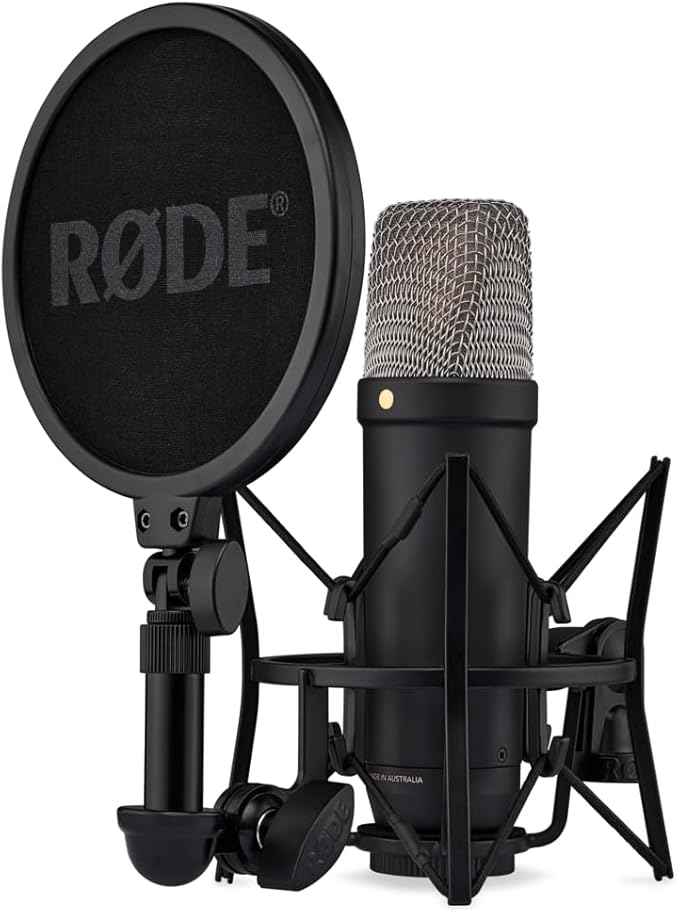
3. Rode NT1 Signature Series

$209.99
Key Features:
- Hand-assembled in Sydney, Australia
- Cardioid condenser with 1″ capsule
- Built-in pop filter and shock mount
- Headphone monitoring with zero-latency
- Desktop stand included
- Supports USB 2.0 and higher
Pros:
- Premium sound quality and clarity
- Complete package with accessories
- Australian engineering and quality
- Excellent for professional recordings
- Zero-latency monitoring is a game-changer
Cons:
- Premium pricing
- Larger microphone size
- May be overkill for casual users
The Rode NT1 Signature Series represents the pinnacle of USB microphone engineering. Hand-assembled in Sydney, this cardioid condenser delivers studio-quality audio that rivals dedicated audio interfaces. The included pop filter and shock mount reduce plosives and vibration noise, while zero-latency headphone monitoring lets you hear yourself in real-time without delay. This is the choice for serious podcasters, musicians, and content creators who demand professional results.
4. HyperX QuadCast S

$139.99
Key Features:
- 4 polar patterns with tap-to-mute sensor
- RGB lighting with 3 preset modes
- Built-in shock mount
- Intuitive controls and display
- PC and Mac compatible
- Cable management clip included
Pros:
- Eye-catching RGB aesthetics
- Excellent for gaming setups
- Multiple polar patterns available
- Good value for features offered
- Built-in shock mount
Cons:
- RGB lighting may not suit professional setups
- Audio quality slightly behind premium options
- Microphone taps sometimes unresponsive
The HyperX QuadCast S is gaming’s favorite USB microphone. With customizable RGB lighting that syncs with your setup and four polar pattern modes, it’s built for streamers and competitive gamers who want style and substance. The tap-to-mute sensor offers intuitive control, while the built-in shock mount reduces vibration from keyboard clicks and desk bumps. It’s the perfect middle ground between casual and professional setups.

5. Elgato Wave:3

$99.99
Key Features:
- Cardioid condenser with clipguard technology
- Tap-to-mute with mute indicator light
- Wave Link integration for multi-source mixing
- Built-in shock mount and pop filter
- Streamlabs software integration
- Compact and lightweight design
Pros:
- Excellent value for money
- Complete with accessories
- Clipguard prevents audio distortion
- Great for streaming and meetings
- Lightweight and portable
- Wave Link is a powerful tool for streamers
Cons:
- Single polar pattern only
- Not ideal for music production
- Requires Wave Link software for full functionality
The Elgato Wave:3 is the best value USB microphone on the market. For under $100, you get a cardioid condenser with clipguard technology that automatically prevents audio distortion—crucial during intense streaming sessions. Wave Link software integration allows you to mix multiple audio sources, perfect for streamers juggling game audio, music, and chat. The included shock mount and pop filter make it immediately broadcast-ready. If you’re starting your streaming journey or need a reliable meeting microphone, this is your answer.

Complete USB Microphone Buying Guide
Understanding Microphone Types
When shopping for a USB microphone, you’ll encounter three main types: dynamic, condenser, and ribbon. Dynamic microphones are durable and handle high SPL (sound pressure level), making them ideal for live streaming where you might shout or move around. Condenser microphones are more sensitive and capture finer details, perfect for podcasting and voiceovers. Ribbon microphones offer vintage warmth but are rarely found in USB formats due to their fragility.
All five products in our guide are condenser microphones because they represent the best balance of sensitivity, clarity, and reliability for streaming and meetings in 2026.
Polar Patterns Explained
Polar patterns determine how a microphone picks up sound from different directions. A cardioid pattern (shaped like a heart) captures sound primarily from the front while rejecting sound from the rear—ideal for solo streamers. Omnidirectional patterns pick up sound equally from all directions, perfect for interviews or group discussions. Bidirectional patterns capture from front and back, useful for two-person podcast setups. Stereo patterns record spatial information for music content.
If you’re a solo streamer, cardioid is sufficient. If you host guests or conduct interviews, look for models with multiple patterns like the Blue Yeti X or HyperX QuadCast S.
Audio Quality Metrics
Audio quality depends on frequency response, bit depth, and sample rate. Most USB microphones operate at 16-bit, 48kHz, which is industry standard for streaming. Some premium models support 24-bit audio. Frequency response ranges from 50Hz to 20kHz (human hearing range). Look for a presence peak in the 3-5kHz range for clarity in vocals.
The AT2020USB-X and Rode NT1 excel in frequency response clarity, making voices sound crisp and present. The Blue Yeti X has emphasized bass that requires EQ adjustment but appeals to gamers.
Connectivity and Compatibility
All USB microphones work with both Windows and Mac computers. Some, like the Elgato Wave:3, require software for advanced features but work fine without it. Check USB port availability on your computer—USB-C models are increasingly common on newer laptops. Most traditional USB-A models work universally. Consider cable length; 8-10 feet is standard for desk setups.
Budget Considerations
Budget $100-150 for solid performance suitable for streaming and meetings. $150-200 gets you premium audio quality and professional features. Above $200 offers studio-grade equipment with premium accessories. Our selection spans all budgets:
- Budget: Elgato Wave:3 ($99.99) – Best value
- Mid-Range: Blue Yeti X ($119.99), HyperX QuadCast S ($139.99), Audio-Technica AT2020USB-X ($149.99)
- Premium: Rode NT1 Signature ($209.99) – Professional quality
Accessories That Matter
A quality microphone deserves supporting equipment. Pop filters reduce plosive sounds (P and B sounds) and cost $10-30. Boom arms ($30-60) provide flexibility in microphone positioning. Shock mounts ($20-50) isolate vibration from desk noise. The Rode NT1 includes pop filter and shock mount, while Elgato Wave:3 includes both—a huge advantage for new streamers.
Frequently Asked Questions
Q1: Can I use a USB microphone for both streaming and conference calls?
Absolutely. All USB microphones work universally across applications—Discord, Zoom, Twitch, YouTube, and professional recording software. Set your USB microphone as the default input device in Windows or macOS, and it automatically becomes your microphone for all applications. This plug-and-play functionality is the main advantage of USB microphones over professional XLR setups.
Q2: Do I need a separate audio interface with a USB microphone?
No. USB microphones contain built-in audio converters that connect directly to your computer via USB. This eliminates the need for expensive audio interfaces (though audio interfaces offer more flexibility for multiple microphones and instruments). If you’re streaming solo or recording podcasts, a quality USB microphone is all you need.
Q3: What’s the difference between USB 2.0 and USB 3.0 microphones?
USB 3.0 microphones offer faster data transfer and lower latency, but the difference is negligible for audio. USB 2.0 microphones work perfectly fine for streaming and meetings. Choose based on availability—USB-A and USB-C connectors matter more than the version. All our recommended models work with both USB 2.0 and 3.0 ports.
Q4: Which microphone is best for recording music?
The Rode NT1 Signature and Audio-Technica AT2020USB-X are best for music recording due to their flat frequency response and clarity. The Rode NT1 edges out slightly with its premium capsule and zero-latency monitoring. The Elgato Wave:3 and Blue Yeti X prioritize voice clarity over music recording. For serious music production, consider pairing any USB microphone with proper mic technique and recording software like Audacity or Adobe Audition.
Q5: How do I reduce background noise with a USB microphone?
Most recording software includes noise suppression filters—enable these in your streaming software settings. Position your microphone 6-12 inches from your mouth; closer distance favors your voice over background noise. The cardioid patterns on all our recommendations naturally reject rear sounds. Use a pop filter to reduce wind noise. Clipguard (Elgato Wave:3) and high-pass filters (AT2020USB-X) also help clean up audio. For serious noise control, acoustic treatment with foam panels targets the problem at the source.
Final Verdict: Best USB Microphone for 2026
Best Overall: The Rode NT1 Signature Series ($209.99) stands as the best USB microphone for creators who demand professional audio. Hand-assembled in Sydney, it delivers studio-quality sound that rivals dedicated audio interfaces. Zero-latency monitoring and included accessories make it immediately broadcast-ready. If budget allows, this is the microphone that grows with your content creator ambitions.
Best Value: The Elgato Wave:3 ($99.99) is the microphone we’d recommend to friends. Under $100, you get complete functionality with clipguard technology, Wave Link integration, and included pop filter. Streamers and meeting attendees will appreciate the reliable performance and mute indicator light.
Best for Gaming: The HyperX QuadCast S ($139.99) combines RGB lighting with solid audio quality. Four polar patterns and tap-to-mute make it ideal for gaming streams where aesthetic matters.
Best Professional Quality: The Audio-Technica AT2020USB-X ($149.99) is the choice for podcasters and serious streamers. Its switchable high-pass filter and on-mic controls offer professional-grade features at a reasonable price.
Best for Versatility: The Blue Yeti X ($119.99) offers four polar patterns at an affordable price, ideal for creators who need flexibility in recording scenarios.
Your choice depends on your specific needs. If you’re starting a streaming or podcast career, begin with the Elgato Wave:3 and upgrade once you have content success. For established creators, the Rode NT1 Signature justifies its premium. Whatever you choose, any of these five microphones will deliver professional-quality audio that audiences will appreciate—and that’s what matters most.