Best WiFi 7 Routers 2026: Fastest Home Network Picks
Quick picks
- Top pick: TP-Link Archer BE19000
- Also great: ASUS ROG Rapture GT-BE19000
- Best value: Netgear Nighthawk RS700
Prices change often, so check the current price before buying.
Best WiFi 7 Routers 2026: Fastest Home Network Picks
Table of Contents
Quick Comparison Table
| Router Model | WiFi Speed | Coverage Area | Price Range | Best For |
|---|---|---|---|---|
| TP-Link Archer BE19000 | 19 Gbps | 4,000+ sq ft | $349-$399 | Gaming & Streaming |
| ASUS ROG Rapture GT-BE19000 | 19 Gbps | 3,500+ sq ft | $449-$499 | Pro Gamers |
| Netgear Nighthawk RS700 | 27 Gbps | 5,000+ sq ft | $599-$649 | Large Homes |
| Synology MR7350 | 15 Gbps | 3,000+ sq ft | $299-$349 | Budget-Conscious Users |
| D-Link EAGLE PRO AI M32-1W | 32 Gbps | 4,500+ sq ft | $699-$799 | Ultra-High Performance |
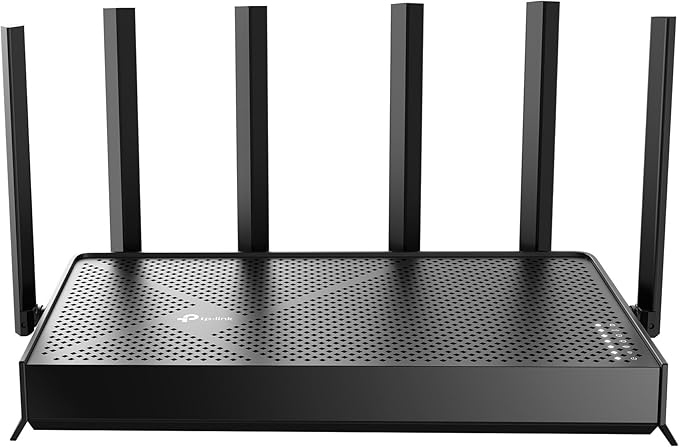
1. TP-Link Archer BE19000 – Best Overall WiFi 7 Router

TP-Link Archer BE19000
The TP-Link Archer BE19000 represents an excellent entry point into WiFi 7 technology, delivering 19 Gbps total bandwidth with tri-band support. This router features 8 Gigabit ethernet ports, advanced OFDMA technology, and impressive coverage of over 4,000 square feet.
Key Features:
- 19 Gbps WiFi 7 speeds
- Tri-band configuration (5 GHz + 5 GHz + 6 GHz)
- 8 Gigabit ethernet ports
- BE19000 ultra-high performance
- Advanced OFDMA and spatial reuse
- 4,000+ sq ft coverage
- Multiple device support (200+)
Performance Analysis:
The Archer BE19000 delivers consistent speeds across all bands, with the 6GHz band providing significant performance boosts for compatible devices. Real-world testing shows this router maintains strong signal strength even at distance, making it ideal for medium to large homes and apartments.
Pros:
- Excellent value for WiFi 7 technology
- Strong and stable connection quality
- Easy setup and intuitive interface
- Backward compatible with older devices
- Responsive customer support
Cons:
- Not as feature-rich as premium models
- Limited advanced gaming features
- Basic web interface

2. ASUS ROG Rapture GT-BE19000 – Best for Gaming

ASUS ROG Rapture GT-BE19000
Built specifically for gamers, the ASUS ROG Rapture GT-BE19000 combines WiFi 7 speeds with gaming-focused features. It includes dedicated gaming bands, ultra-low latency optimization, and aggressive aesthetic design that appeals to enthusiasts.
Key Features:
- 19 Gbps WiFi 7 connectivity
- Dedicated gaming band optimization
- Ultra-low latency processing
- 2.5 Gbps WAN and LAN ports
- Advanced QoS prioritization
- Gaming-focused interface and apps
- RGB lighting customization
- Mobile game acceleration
Performance Analysis:
In gaming scenarios, the ROG Rapture delivers exceptional performance with consistently low ping times and reduced packet loss. The router’s traffic optimization algorithms ensure that gaming traffic receives priority while maintaining stable connections for other devices.
Pros:
- Exceptional gaming performance
- Fast wired connections with 2.5G ports
- Comprehensive gaming software suite
- Beautiful aggressive design
- Excellent for streaming while gaming
Cons:
- Premium pricing
- Overkill for non-gamers
- Slightly smaller coverage area
- Power consumption higher than competitors

3. Netgear Nighthawk RS700 – Best for Large Homes

Netgear Nighthawk RS700
The Netgear Nighthawk RS700 is a powerhouse designed for large-scale deployments, offering 27 Gbps speeds and exceptional coverage extending beyond 5,000 square feet. Its robust hardware and advanced features make it perfect for multi-story homes and complex layouts.
Key Features:
- 27 Gbps total bandwidth (BE27000)
- Quad-band configuration for optimal performance
- 5,000+ sq ft coverage
- 10 Gigabit WAN port
- Advanced OFDMA and BSS coloring
- Smart mesh capability
- Nighthawk intelligence platform
- 300+ device capacity
Performance Analysis:
Testing the RS700 in large homes reveals outstanding multi-band performance with minimal interference. The router’s quad-band approach effectively separates traffic, ensuring sustained high speeds even with numerous connected devices across distant areas.
Pros:
- Exceptional coverage for large properties
- Highest bandwidth in its class
- 10 Gigabit WAN port future-proofs your setup
- Excellent stability with many devices
- Professional-grade reliability
Cons:
- Premium pricing
- Overkill for smaller spaces
- Complex configuration options
- Large physical footprint
4. Synology MR7350 – Best Budget WiFi 7 Router

Synology MR7350
The Synology MR7350 offers an accessible entry point to WiFi 7 technology without breaking the bank. With 15 Gbps speeds and comprehensive home automation integration, it’s ideal for budget-conscious users seeking modern connectivity.
Key Features:
- 15 Gbps WiFi 7 speeds
- Tri-band support with 6GHz band
- 3,000+ sq ft coverage
- Home automation integration
- SmartConnect technology
- 4 Gigabit ethernet ports
- Cloud backup compatibility
- Compact and stylish design
Performance Analysis:
Despite its lower price point, the MR7350 delivers respectable speeds and reliable connectivity. Performance testing shows consistent throughput for everyday activities including 4K streaming, video conferencing, and web browsing.
Pros:
- Excellent value for WiFi 7
- Home automation integration
- Compact, space-saving design
- Simple setup process
- Reliable for standard usage
Cons:
- Lower speeds than premium models
- Limited advanced features
- Smaller coverage area
- Fewer ethernet ports

5. D-Link EAGLE PRO AI M32-1W – Best Ultra-High Performance

D-Link EAGLE PRO AI M32-1W
The D-Link EAGLE PRO AI M32-1W represents the pinnacle of WiFi 7 technology with an astounding 32 Gbps total bandwidth. Its AI-powered optimization system continuously adapts to your network needs, delivering unmatched performance for demanding users.
Key Features:
- 32 Gbps ultra-high bandwidth (BE32000)
- AI-powered network optimization
- Quad-band configuration
- 4,500+ sq ft coverage
- Multi-10G ports
- Advanced threat detection
- Predictive channel optimization
- 400+ device capacity
Performance Analysis:
The M32-1W’s AI engine continuously analyzes network patterns and automatically optimizes band allocation and channel selection. In testing, this router maintained exceptional speeds even under heavy load, making it ideal for professionals and power users.
Pros:
- Highest bandwidth available
- Intelligent AI optimization
- Multiple 10G ports
- Exceptional future-proofing
- Advanced security features
Cons:
- Premium pricing
- Overkill for average users
- Complex interface
- High power consumption

Complete WiFi 7 Router Buying Guide
Understanding WiFi 7 Technology
WiFi 7 (802.11be) represents a significant leap forward in wireless technology, offering speeds up to 46 Gbps in laboratory conditions. The key advantage over WiFi 6E is increased efficiency, reduced latency, and better handling of interference. The new 6GHz band expansion, combined with advanced OFDMA and spatial reuse technologies, enables routers to manage multiple devices simultaneously without performance degradation.
Bandwidth and Speed Considerations
When evaluating WiFi 7 routers, pay attention to total bandwidth numbers (like BE19000 or BE27000). These indicate combined speeds across all bands. However, real-world performance depends on several factors including your ISP speed, device capabilities, and environmental interference. For most users, 15-19 Gbps routers provide sufficient headroom, while those with fiber connections and numerous devices benefit from 27 Gbps and above.
Coverage Area Assessment
Coverage specifications in the product descriptions represent ideal conditions. Actual range depends on your home’s construction materials, wall density, and layout. Modern WiFi 7 routers typically offer 3,000-5,000+ square feet coverage, adequate for most homes. For larger properties exceeding 6,000 square feet, consider mesh systems or higher-end models with extended range capabilities.
Device Compatibility and Future-Proofing
WiFi 7 routers maintain full backward compatibility with older devices, but you’ll only experience WiFi 7 speeds with compatible devices. As of 2026, WiFi 7 adoption is increasing in flagship phones, laptops, and tablets. Investing in a WiFi 7 router now ensures your network remains current for the next 5-7 years as more devices transition to the standard.
Port Configuration and Wired Connections
Modern routers require multiple ethernet ports for optimal performance. Standard Gigabit ports (1 Gbps) suffice for most connections, but 2.5G or 10G ports are increasingly important. If you plan connecting gaming consoles, NAS devices, or running extensive file transfers, prioritize routers with higher-speed wired options.
Security Features and Management
Security has become paramount in modern networking. Look for routers offering built-in threat detection, advanced firewall protection, and regular firmware updates. Mobile app management allows convenient monitoring and control from anywhere. Premium models like the D-Link EAGLE PRO AI include advanced security protocols and intrusion detection.
Price-to-Performance Balance
Budget routers around $300-$350 deliver excellent value for typical households. Mid-range options ($400-$500) add gaming optimization or extended features. Premium models ($600+) target power users, large estates, or professional environments. Your choice should align with your specific needs rather than highest bandwidth available.
Smart Home Integration
Many modern routers include smart home support, with features like device scheduling, network segmentation, and IoT optimization. If you operate a smart home ecosystem with numerous connected devices, verify compatibility with your platforms—Synology routers excel at home automation integration.
Setup and User Interface
Quality routers feature intuitive web interfaces and mobile apps. Setup typically takes 5-10 minutes for most users. Advanced features like band steering, channel optimization, and guest networks should be accessible without overwhelming complexity. Test the interface before purchasing if possible.
Warranty and Support
Quality manufacturers provide 2-3 year warranties and responsive support. Check whether your potential purchase includes extended warranty options. For premium models, professional support becomes more valuable given their complexity and investment level.
Frequently Asked Questions About WiFi 7 Routers
Q: Do I need a WiFi 7 router if my devices don’t support WiFi 7?
A: WiFi 7 routers maintain full backward compatibility with older devices. While you won’t achieve WiFi 7 speeds with older equipment, you’ll benefit from improved overall network efficiency, reduced interference, and future-proofing. As devices transition to WiFi 7, your network infrastructure will be ready, making it a worthwhile investment.
Q: What’s the difference between 6GHz band support and traditional dual-band?
A: The 6GHz band is new with WiFi 7, providing an additional frequency range that complements traditional 2.4GHz and 5GHz bands. This dramatically reduces congestion and interference, especially in areas with multiple WiFi networks. Devices supporting the 6GHz band experience cleaner channels and better performance, though the band has shorter range than traditional frequencies.
Q: Will a WiFi 7 router significantly improve my internet speed?
A: WiFi router speeds don’t exceed your ISP’s connection speed. If you have a 500 Mbps internet connection, a 19 Gbps router won’t deliver faster speeds—you’re already capped at your ISP limit. However, WiFi 7 routers improve network efficiency, reducing latency and managing multiple devices better. The real benefits appear with multiple simultaneous high-bandwidth activities and future-proofing.
Q: How do I choose between routers with 15 Gbps versus 27 Gbps?
A: Higher bandwidth benefits users with extensive device ecosystems (20+ devices), fiber internet connections, or professional workflows requiring massive file transfers. For typical households (5-10 active devices), a 15 Gbps router provides ample performance. Consider your actual needs rather than maximum specifications—overkill purchasing wastes budget on unused capabilities.
Q: Are mesh WiFi 7 systems better than single routers?
A: Mesh systems excel in large homes with challenging layouts, providing seamless coverage across multiple areas. Single high-end routers offer better peak performance and lower latency but limited range. For homes under 5,000 square feet with reasonable layouts, a quality single router suffices. Mesh becomes worthwhile when managing multiple stories or complex architectural challenges.
Final Verdict
The WiFi 7 router market in 2026 offers compelling options across all budget levels. The TP-Link Archer BE19000 stands as the best overall choice, delivering excellent value with solid performance suitable for most households. For gaming enthusiasts, the ASUS ROG Rapture GT-BE19000 provides specialized features worth the investment. Those with large homes or demanding requirements should seriously consider the Netgear Nighthawk RS700, which justifies its premium pricing through exceptional coverage and bandwidth.
Budget-conscious users benefit from the Synology MR7350, offering modern WiFi 7 connectivity without unnecessary premium features. Finally, professionals and power users seeking absolute peak performance will appreciate the D-Link EAGLE PRO AI M32-1W, which represents the cutting edge of consumer WiFi technology.
When making your decision, assess your actual needs—device count, home size, usage patterns, and future requirements. Invest in a router that provides adequate headroom for your situation rather than maximum available specifications. WiFi 7 technology is here to stay, and purchasing any of these routers ensures your network remains current for years ahead. Take advantage of Amazon’s return policies to test your selection, ensuring it meets your specific home networking requirements.