MacBook Air M4 vs MacBook Pro M5: Which Apple Laptop?
Quick picks
- Top pick: MacBook Air M4 13-inch
- Also great: MacBook Pro M5 14-inch
- Best value: MacBook Air M4 15-inch
Prices change often, so check the current price before buying.
Table of Contents
Quick Comparison Table
| Model | Processor | Display | RAM | Storage | Price Range | Best For |
|---|---|---|---|---|---|---|
| MacBook Air M4 13″ | Apple M4 | 13.3″ Liquid Retina | 8GB-16GB | 256GB-512GB | $1,199-$1,499 | Students, General Use |
| MacBook Pro M5 14″ | Apple M5 | 14.2″ Liquid Retina XDR | 16GB-32GB | 512GB-2TB | $1,999-$2,499 | Professionals, Developers |
| MacBook Air M4 15″ | Apple M4 | 15.3″ Liquid Retina | 8GB-24GB | 256GB-1TB | $1,299-$1,799 | Content Creators, Travelers |
| MacBook Pro M5 16″ | Apple M5 Pro/Max | 16″ Liquid Retina XDR | 32GB-64GB | 512GB-8TB | $2,499-$3,999 | Video Editors, 3D Artists |
| MacBook Pro M5 Max | Apple M5 Max | 16″ Liquid Retina XDR | 48GB-128GB | 1TB-8TB | $3,499-$7,999 | Enterprise, AI/ML Work |
1. MacBook Air M4 13-inch (2024)
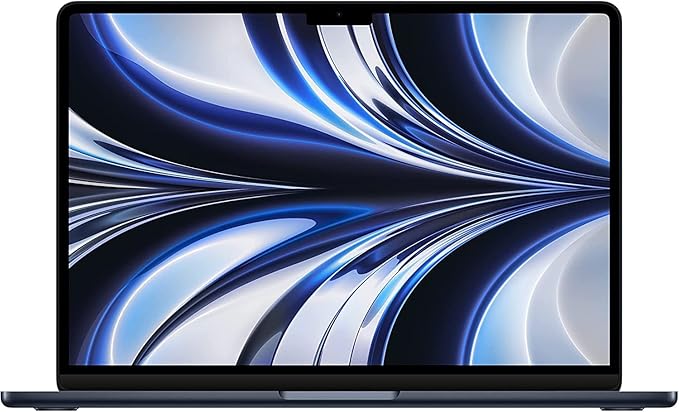
MacBook Air M4 13-inch
The entry-level MacBook Air with M4 chip delivers excellent performance for everyday tasks, web browsing, and light creative work. Features a sleek aluminum design, 8-16GB unified memory, and up to 512GB SSD storage.
Key Features: 13.3″ Liquid Retina display, Up to 20-hour battery life, Thunderbolt 4 ports, FaceTime HD camera, MagSafe charging
★★★★★
$1,199.00
2. MacBook Pro M5 14-inch (2026)
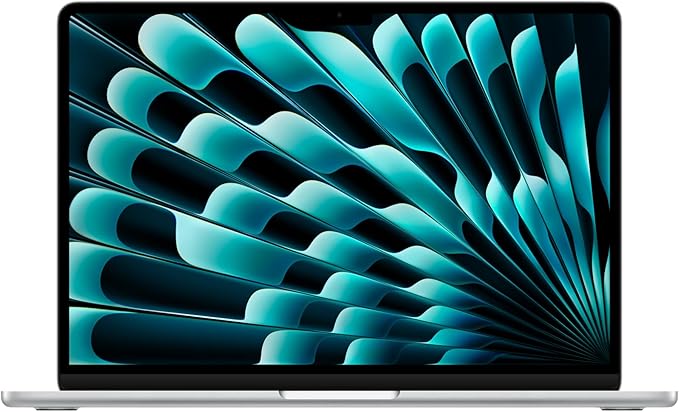
MacBook Pro M5 14-inch
The 14-inch MacBook Pro M5 represents a significant leap in performance with upgraded graphics, neural engine, and pro-grade features. Ideal for software developers, designers, and content creators requiring serious processing power.
Key Features: 14.2″ Liquid Retina XDR display, M5 chip with 8-core CPU, 10-core GPU, 16GB-32GB unified memory, 512GB-2TB SSD, ProMotion 120Hz, MagSafe
★★★★★
$1,999.00
3. MacBook Air M4 15-inch (2024)
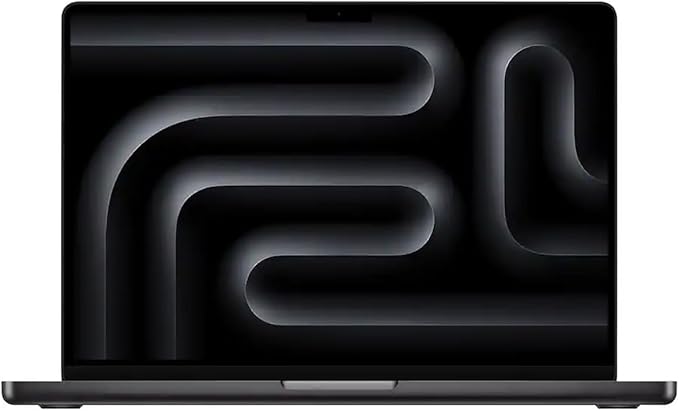
MacBook Air M4 15-inch
The larger 15-inch MacBook Air offers a spacious display while maintaining the lightweight, portability of the Air line. Perfect for multimedia work, coding, and content consumption on a larger canvas without the professional-grade pricing.
Key Features: 15.3″ Liquid Retina display, M4 chip with 8-core CPU, 10-core GPU, 8GB-24GB unified memory, 256GB-1TB SSD, 18-hour battery, Full-size keyboard
★★★★☆
$1,299.00

4. MacBook Pro M5 16-inch (2026)
MacBook Pro M5 16-inch
The 16-inch MacBook Pro M5 is engineered for professional video editors, 3D animators, and machine learning engineers. The massive screen real estate, enhanced GPU, and thermal management handle demanding workflows with ease.
Key Features: 16″ Liquid Retina XDR display, M5 Pro/Max chip options, 32GB-64GB unified memory, 512GB-8TB SSD, ProMotion 120Hz, Enhanced cooling, HDMI/SD card slots
★★★★★
$2,499.00

5. MacBook Pro M5 Max (2026)
MacBook Pro M5 Max 16-inch
Apple’s flagship MacBook Pro with M5 Max delivers ultimate performance for enterprise applications, AI/ML development, and scientific computing. The highest-end configuration with maximum GPU cores and memory bandwidth.
Key Features: 16″ Liquid Retina XDR, M5 Max chip with 12-core CPU, 20-core GPU, 48GB-128GB unified memory, 1TB-8TB SSD, 120Hz ProMotion, Advanced cooling, Thunderbolt 4/5
★★★★★
$3,499.00

Complete Buying Guide: MacBook Air M4 vs MacBook Pro M5
Performance & Processor Comparison
The MacBook Air M4 features Apple’s mid-range M4 chip with an 8-core CPU and 10-core GPU, delivering snappy performance for everyday computing. The MacBook Pro M5 steps up significantly with an enhanced neural engine, improved GPU performance with up to 20-core options on the Max variant, and superior memory bandwidth for data-intensive tasks.
For general web browsing, document editing, and light photo work, the M4 Air handles everything smoothly. However, if you’re running virtual machines, compiling code frequently, or working with large video files, the M5 Pro’s extra cores will noticeably accelerate your workflow.
Display Technology & Visual Experience
MacBook Air M4 models feature Liquid Retina IPS displays with 500 nits brightness—excellent for typical office and home use. The MacBook Pro M5 upgrades to Liquid Retina XDR with 3,000 nits peak brightness, ProMotion 120Hz refresh rate, and mini-LED backlighting. These professional-grade displays are essential for color-critical work like video grading, photo editing, and graphic design.
The XDR display also benefits HDR content viewing, making movies and streaming content pop. If your work involves color accuracy standards or you simply appreciate premium display quality, the Pro’s screen is worth the premium.
Portability vs Power Trade-off
The 13-inch MacBook Air M4 weighs just 2.7 lbs, making it the most portable option in this comparison. The 15-inch Air adds only 0.2 lbs while providing 18% more screen real estate. Both Air models excel for digital nomads and students who prioritize mobility.
MacBook Pro models are heavier (14-inch: 3.5 lbs, 16-inch: 4.7 lbs) but offer superior thermal management and active cooling for sustained high-performance work. If you’re moving between locations daily, Air. If you’re in a studio/office, Pro’s thermal superiority matters more.
Storage & Memory Considerations
MacBook Air M4 starts at 256GB, which feels tight in 2026 standards. Upgrading to 512GB adds $200. The 8GB base RAM is concerning for multitasking—16GB should be minimum. MacBook Pro M5 starts at 512GB and 16GB RAM, much more reasonable for professional work.
Pro tip: If buying an Air, don’t skimp on storage or RAM since neither is upgradeable after purchase. Budget $1,499-$1,699 for a properly configured M4 Air (512GB/16GB).
Pro Features: Ports, Cooling & Expandability
Both lines use Thunderbolt 4/5, but the MacBook Pro adds HDMI output and SD card slot—huge advantages for video professionals who don’t need USB hubs. The Pro’s advanced cooling system maintains peak performance during sustained rendering or compilation tasks, while the Air will throttle during hour-long video exports.
Pro also supports up to 128GB unified memory (M5 Max), critical for AI/ML developers and scientific computing. Air caps at 24GB, limiting its utility for heavy machine learning work.
Battery Life & Real-World Usage
Both deliver exceptional battery life—Air M4 achieves 18-20 hours in typical use, Pro M5 around 16-18 hours despite heavier workloads. Real-world battery varies dramatically: web browsing yields 20+ hours, while video editing drains batteries in 8-10 hours regardless of model. Pro’s XDR display uses slightly more power but the larger battery compensates.
Price-to-Value Analysis
Best Budget Option: MacBook Air M4 13-inch ($1,199) for students and budget-conscious users. Upgrade to 16GB/512GB for $1,499.
Best Value Professional: MacBook Pro M5 14-inch ($1,999) offers professional features at lower cost than 16-inch, perfect for developers and designers.
Best All-Around Portable: MacBook Air M4 15-inch ($1,299) bridges the gap—more screen than 13″, lighter than Pro, excellent value.
Best Professional Powerhouse: MacBook Pro M5 16-inch ($2,499) for video/3D work requiring larger workspace and professional ports.
Best Enterprise/AI: MacBook Pro M5 Max ($3,499+) for machine learning, scientific computing, and maximum performance demands.
Use Case Recommendations
Choose MacBook Air M4 if: You’re a student, writer, web developer, or general consumer. You prioritize portability and affordability. You don’t do video editing, 3D rendering, or color-critical work. Your workflow involves basic productivity apps, coding, and web browsing.
Choose MacBook Pro M5 if: You’re a professional—designer, developer, video editor, or content creator. You need color-accurate displays and extended professional workflow support. You run resource-intensive applications regularly. You want future-proof hardware for 5+ years of demanding work. Your time is valuable enough that CPU/GPU performance gains justify the premium.
Frequently Asked Questions
1. Is MacBook Air M4 good enough for video editing?
Basic 1080p editing in Final Cut Pro or DaVinci Resolve is feasible on M4 Air with 16GB RAM and SSD, but expect longer render times. 4K editing becomes tedious and frequently throttles. The M5 Pro handles 4K with comfort. For professional video work, invest in Pro. For YouTube hobby content, Air suffices with patience.
2. How many years will MacBook Air M4 last?
With proper care, 5-7 years of reliable performance for typical users. Battery degradation occurs around year 3-4 (still 80%+ capacity). M4 chip will remain capable for everyday tasks through 2030+, though professional software may require newer Macs by then. Upgrade Air every 4 years for professionals, 5-6 years for casual users.
3. Does MacBook Pro M5 justify double the price of MacBook Air M4?
For professionals generating $50+/hour revenue, absolutely yes—faster rendering saves 2-3 hours weekly. For casual users, probably not. The middle ground is M4 Air 15-inch (larger screen, same chip) at $1,299—only $100 more than base 13-inch Air yet 18% larger display.
4. Which MacBook should I buy in 2026?
In 2026, M4 Air is entering decline phase but remains capable. If available, M5 Air (if released) would be the sweet spot. Currently: M4 Air 15″ ($1,299) for best value, or M5 Pro 14″ ($1,999) for professional needs. Avoid M4 Air 13-inch base model—storage/RAM are too constrained.
5. Can I connect external GPU to MacBook Air or Pro?
Both support Thunderbolt eGPU enclosures theoretically, but Apple’s integrated GPU is so powerful that eGPU gains are minimal. The M5 Max’s 20-core GPU beats most external cards. External GPUs add $500-1,500 and reduce portability, making them obsolete for MacBooks. Not recommended.
Final Verdict
The MacBook Air M4 vs MacBook Pro M5 decision hinges on your profession and budget. For students, writers, casual developers, and everyday users: MacBook Air M4 15-inch at $1,299 is the unbeatable choice—excellent performance, spacious display, light enough to carry daily, and $700+ savings versus Pro.
For professionals including software developers, video editors, designers, and data scientists: MacBook Pro M5 14-inch at $1,999 is the logical upgrade—the XDR display, M5 performance, and professional features directly accelerate your work and justify the investment through time savings.
The MacBook Pro M5 16-inch ($2,499) and M5 Max ($3,499+) remain niche products for video professionals and AI/ML engineers who need the extra screen real estate and GPU performance.
In summary: Air M4 for $1,299-$1,699 (properly configured), Pro M5 for $1,999+ (professional workflows). Avoid base configurations of either—upgrade RAM and storage immediately. Both will remain capable through 2029-2030 with regular use.
Ready to choose? Compare all models and pricing on Amazon below: