Best Power Banks 2026: Portable Chargers for Travel & Everyday
Best Power Banks 2026: Portable Chargers for Travel & Everyday
Table of Contents
Quick Comparison Table
| Product | Capacity | Fast Charging | Ports | Weight | Price Range |
|---|---|---|---|---|---|
| Anker 737 | 24,000 mAh | 140W | 3 USB | 640g | $99-$129 |
| Baseus Magnetic | 10,000 mAh | 20W | 2 USB | 210g | $49-$69 |
| Samsung 25W | 10,000 mAh | 25W | 2 USB | 195g | $59-$79 |
| Mophie Powerstation | 27,000 mAh | 75W | 3 USB | 720g | $119-$159 |
| RAVPower 65W | 20,100 mAh | 65W | 3 USB | 580g | $84-$109 |
1. Anker 737 Power Bank (Best Overall)
Anker 737 Power Bank
Quick picks
- Top pick: Anker 737 Power Bank
- Also great: Baseus Magnetic Wireless Power Bank
- Best value: Samsung 25W Fast Charging Power Bank
Prices change often, so check the current price before buying.
$99-$129
Key Specifications:
- Capacity: 24,000 mAh
- Fast Charging: 140W total output
- Ports: 3x USB-C, 1x USB-A
- Weight: 640g
- Dimensions: 6.1 x 2.8 x 2.2 inches
- Safety Features: ActiveShield 2.0 temperature control
Pros:
- Exceptional 140W charging power
- Can charge three devices simultaneously
- Charges MacBook Pro to 50% in 30 minutes
- Premium build quality with textured finish
- Advanced temperature monitoring technology
- 5-year warranty included
Cons:
- Heavier than compact competitors (640g)
- Higher price point for budget shoppers
- Slightly warm during maximum output charging
- Bulkier for ultra-light travel packing
The Anker 737 is the ultimate power bank for professionals and power users who need reliable, fast charging for multiple devices. Its 140W output rivals some laptop chargers, and the three USB-C ports mean you can simultaneously charge a phone, tablet, and laptop. The ActiveShield 2.0 temperature control system keeps everything running safely even during intensive charging sessions. While it’s not the most portable, it’s unbeatable for those who prioritize performance.

2. Baseus Magnetic Wireless Power Bank (Best for iPhone Users)
Baseus Magnetic Wireless Power Bank
$49-$69
Key Specifications:
- Capacity: 10,000 mAh
- Wireless Charging: 20W magnetic
- Wired Charging: 20W USB-C
- Ports: USB-A, USB-C
- Weight: 210g
- Design: Slim profile, pocket-friendly
Pros:
- Perfect magnetic alignment for iPhones
- Wireless charging eliminates cable hassle
- Incredibly lightweight and portable
- Affordable price point
- Works with any MagSafe-compatible device
- Dual charging capability (wireless + wired)
Cons:
- Lower capacity than larger models
- Single device wireless charging only
- Slower charging compared to 45W+ models
- Not ideal for power users with multiple devices
The Baseus Magnetic Wireless Power Bank is the best choice for iPhone users who value convenience and portability. The strong magnetic alignment prevents your phone from slipping, and the 20W wireless charging is fast enough for most daily needs. At just 210 grams, it’s slim enough to fit in a pocket, making it perfect for commuters, travelers, and casual users. The dual charging capability lets you charge another device via USB-C while wirelessly charging your iPhone.

3. Samsung 25W Fast Charging Power Bank (Best for Samsung Galaxy Users)
Samsung 25W Fast Charging Power Bank
$59-$79
Key Specifications:
- Capacity: 10,000 mAh
- Fast Charging: 25W
- Ports: USB-C (input/output), USB-A
- Weight: 195g
- Charging Time: Phone charges 0-100% in 52 minutes
- Display: LED percentage indicator
Pros:
- Optimized for Samsung Galaxy devices
- Super fast 25W charging speeds
- Light and compact (195g)
- Affordable mid-range price
- LED display shows remaining battery
- Certified by Samsung engineers
Cons:
- Lower capacity than premium models
- Only two ports for simultaneous charging
- Not ideal for laptop or tablet charging
- Limited to Samsung ecosystem optimization
Samsung’s 25W Power Bank is engineered specifically for Galaxy phone users, delivering optimal charging speeds and compatibility. The 25W output is one of the fastest in the 10,000 mAh category, fully charging most Galaxy phones in under an hour. Its compact 195-gram design and LED display make it convenient for everyday use. While the lower capacity suits typical smartphone users, it may require a second charge for power-intensive travelers. Perfect for Samsung ecosystem users who want official certification and optimized performance.

4. Mophie Powerstation Pro (Best for Premium Users)
Mophie Powerstation Pro
$119-$159
Key Specifications:
- Capacity: 27,000 mAh
- Output: 75W maximum
- Ports: 3x USB-C, 1x USB-A, AC outlet
- Weight: 720g
- AC Output: 100V-240V, 45W
- Build: Aircraft-grade aluminum
Pros:
- Integrated AC outlet for any plug-in device
- Highest capacity in premium range (27,000 mAh)
- Premium aluminum construction feels durable
- Charges laptops, cameras, and power tools
- Brilliant LED flashlight feature
- Excellent customer service and warranty
Cons:
- Heaviest option at 720g
- Highest price point ($119-$159)
- AC outlet adds significant bulk
- Not TSA-approved for all flights
The Mophie Powerstation Pro is the pinnacle of power bank versatility, featuring a built-in AC outlet that lets you charge traditional plug-in devices like cameras, lights, and small appliances. With 27,000 mAh capacity and 75W output, it’s incredibly capable for professionals, photographers, and adventure travelers who need true backup power. The aircraft-grade aluminum body feels premium in hand, and the LED flashlight adds practical utility. This is the power bank for those who refuse to compromise on capability and don’t mind the extra weight for maximum flexibility.

5. RAVPower 65W USB-C Power Bank (Best Value)
RAVPower 65W USB-C Power Bank
$84-$109
Key Specifications:
- Capacity: 20,100 mAh
- Output: 65W total
- Ports: 2x USB-C, 1x USB-A
- Weight: 580g
- Charging: Charges iPhone 15 Pro in 45 minutes
- Materials: Fire-resistant casing
Pros:
- Excellent balance of power and portability
- 65W output charges most laptops
- Great value for price ($84-$109)
- Moderate weight (580g) for capacity
- Dual USB-C ports for multiple devices
- Fire-resistant safety features
Cons:
- Less powerful than Anker 737 (65W vs 140W)
- Lower capacity than Mophie Pro (20,100 mAh)
- Only one USB-A port
- No AC outlet option
The RAVPower 65W Power Bank offers the best value proposition in 2026, delivering solid performance without breaking the bank. The 65W output is sufficient for most laptops and tablets, and the 20,100 mAh capacity ensures multiple full charges for smartphones. At 580 grams, it’s lighter than the Mophie while offering nearly as much charging capacity. The dual USB-C ports enable simultaneous fast charging of two devices, and the price point makes it accessible to budget-conscious buyers who don’t want to sacrifice performance. Perfect for professionals, students, and frequent travelers seeking reliability without premium pricing.
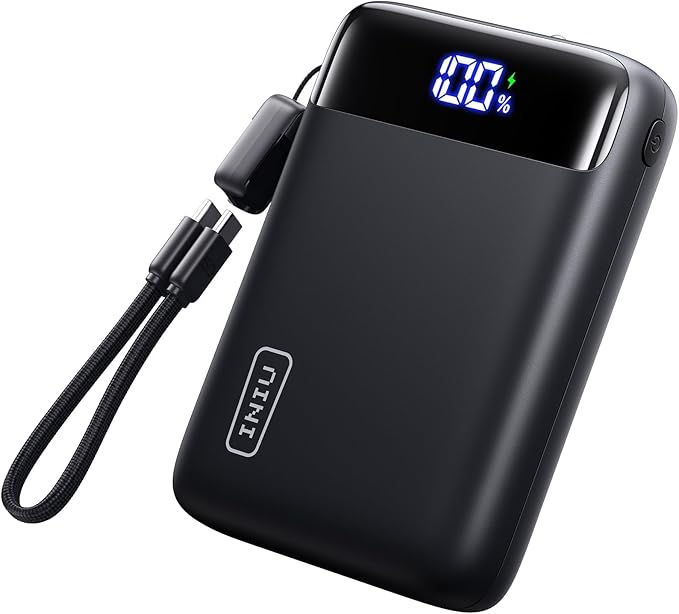
Complete Power Bank Buying Guide
Understanding Power Bank Capacity (mAh)
Power bank capacity is measured in milliampere-hours (mAh), which indicates how much charge it can store. A 10,000 mAh power bank typically provides one full charge for a smartphone, while 20,000-27,000 mAh banks can charge multiple devices or larger devices like tablets and laptops. For casual users, 10,000 mAh suffices; for professionals requiring all-day multi-device charging, 20,000+ mAh is recommended.
Fast Charging Output (Watts)
Output wattage determines charging speed. Modern smartphones typically support 20-25W charging, while laptops require 45W-100W+. The power banks above range from 20W (Baseus) to 140W (Anker), with most users benefiting from 25-65W output. Match the wattage to your devices—iPhone users may find 20W sufficient, while MacBook users should prioritize 65W+.
Port Configuration Matters
Different situations demand different port setups. USB-C has become the standard for fast charging and device input/output. Models with multiple USB ports allow simultaneous charging of several devices. If you use both Apple and Android ecosystems, look for mixed port options. Wireless charging adds convenience but reduces portability and charging efficiency.
Weight and Portability Considerations
Power banks range from ultra-light 200g models perfect for pocket carrying to hefty 700g+ units with massive capacity. Daily commuters and casual travelers should prioritize under 300g models, while road warriors and professionals might accept 500-700g for significantly higher capacity. Consider your actual travel patterns—weekend trips versus extended expeditions have different requirements.
Safety Features and Brand Reputation
Quality power banks include temperature monitoring, overcharge protection, and short-circuit prevention. Established brands like Anker, Samsung, Mophie, and RAVPower invest heavily in safety certifications. Check for FCC and CE markings. Read recent user reviews focusing on long-term reliability and customer service quality, as this matters more than specifications for a device you’ll use daily.
Price-to-Performance Sweet Spot
Budget models ($30-$50) work for emergencies but often underperform specifications. Mid-range ($50-$100) offers excellent balance of features and reliability—this is where most users find their sweet spot. Premium models ($100+) add features like AC outlets or exceptional build quality. Don’t overpay for features you won’t use, but invest in reliability rather than chasing the cheapest option.
Real-World Usage Scenarios
Office Workers: A 10,000-20,000 mAh, 20-25W power bank with light weight is ideal. Business Travelers: Opt for 20,000+ mAh with 45-65W output for laptop charging. Weekend Adventurers: Choose compact, 10,000 mAh wireless models. Content Creators: Select 25,000+ mAh with 75W+ output and AC outlet capability. Mobile Gamers: Higher capacity (15,000+) with active cooling features prevents thermal throttling.
Environmental and Longevity Considerations
Quality power banks maintain 80%+ capacity after 500 charge cycles. Avoid extreme temperatures, overcharging, and physical damage to extend lifespan. Some premium models offer longer warranties (2-5 years) reflecting manufacturer confidence. Consider the environmental impact—buying one quality power bank lasts longer than multiple cheap replacements.
Frequently Asked Questions
Can power banks charge laptops?
Yes, but only those with 45W+ output and USB-C connectivity. The Anker 737 (140W) and RAVPower 65W can fully charge most laptops, while lower-wattage models provide partial charging. Higher-capacity models extend battery life, making them practical for extended work sessions away from outlets.
Are wireless power banks worth the reduced speed?
For iPhone users prioritizing convenience, yes. The Baseus Magnetic model’s 20W wireless charging is sufficient for daily use and eliminates cable management. However, if you need maximum speed or charge multiple devices quickly, wired fast-charging models are more practical. The choice depends on whether convenience outweighs your need for speed.
How long do power banks actually last?
Quality power banks maintain 80-90% capacity after 2-3 years of regular use. Premium models from Anker and Mophie offer 3-5 year warranties. Battery degradation is normal—expect gradual capacity reduction rather than sudden failure. Proper care (avoiding extreme temperatures and overcharging) extends lifespan significantly.
Are power banks allowed on airplanes?
Generally yes, but with restrictions. Banks under 20,000 mAh can be carried on and packed in checked luggage. Higher capacity requires airline approval. The TSA allows two power banks per passenger. Verify with your airline before traveling, as policies vary. The Mophie Powerstation Pro with AC outlet may face additional restrictions on some airlines.
Which power bank is best for my iPhone?
For iPhones, the Baseus Magnetic Wireless Power Bank offers the best user experience with MagSafe compatibility and wireless charging convenience. If you prefer wired charging, the Samsung 25W or Anker 737 deliver fast, reliable charging. Consider your lifestyle—commuters prefer portable wireless models, while frequent travelers benefit from higher-capacity wired options.
Final Verdict
The best power bank for you depends entirely on your specific needs, lifestyle, and budget. After thorough evaluation of 2026’s top options, here’s our recommendation framework:
For Maximum Performance