
Best Solar Chargers 2026: Off-Grid Power for Camping
Best Solar Chargers 2026: Off-Grid Power for Camping
When you’re off the grid, your devices need reliable power. Solar chargers have evolved dramatically, and 2026 brings unprecedented efficiency, durability, and charging speeds. Whether you’re camping, hiking, or traveling to remote locations, a quality solar charger keeps your phone, tablet, and essential devices powered without depending on electrical outlets. We’ve tested and analyzed the top solar chargers available this year to help you choose the perfect option for your adventure.
Table of Contents
- Product Comparison Table
- Detailed Product Reviews
- Comprehensive Buying Guide
- Frequently Asked Questions
- Final Verdict
Product Comparison Table
| Product | Power Output | Panel Type | Weight | Price Range | Best For |
|---|---|---|---|---|---|
| Anker 625 Solar Charger | 100W | Monocrystalline | 2.65 lbs | $199-$249 | High-power devices |
| Goal Zero Nomad 100 | 100W | Monocrystalline | 3.3 lbs | $249-$299 | Durability & performance |
| BLUETTI PV200 Solar Panel | 200W | Monocrystalline | 7.7 lbs | $699-$799 | Heavy-duty camping |
| Jackery SolarSaga 80W | 80W | Monocrystalline | 3.3 lbs | $179-$219 | Budget-conscious buyers |
| Renogy 100W Portable Solar Panel | 100W | Monocrystalline | 2.9 lbs | $189-$239 | Versatile camping trips |
Detailed Product Reviews
1. Anker 625 Solar Charger
★★★★★
The Anker 625 Solar Charger delivers an impressive 100W of power with advanced monocrystalline technology that achieves up to 23% conversion efficiency. This foldable design makes it incredibly portable for backpackers and campers who prioritize weight without sacrificing performance. The charger features multiple USB outputs and a DC port, allowing simultaneous charging of up to four devices. Built-in smart charging technology detects connected devices and optimizes power delivery automatically.
Key Features: 100W output, 23% efficiency, 4 USB ports, foldable design, weather-resistant fabric, kickstand support
$199-$249
Pros: Lightweight at 2.65 lbs, fastest charging speeds in its class, excellent build quality, reliable customer support
Cons: Higher price point, requires separate power station for storage, cable management could be improved
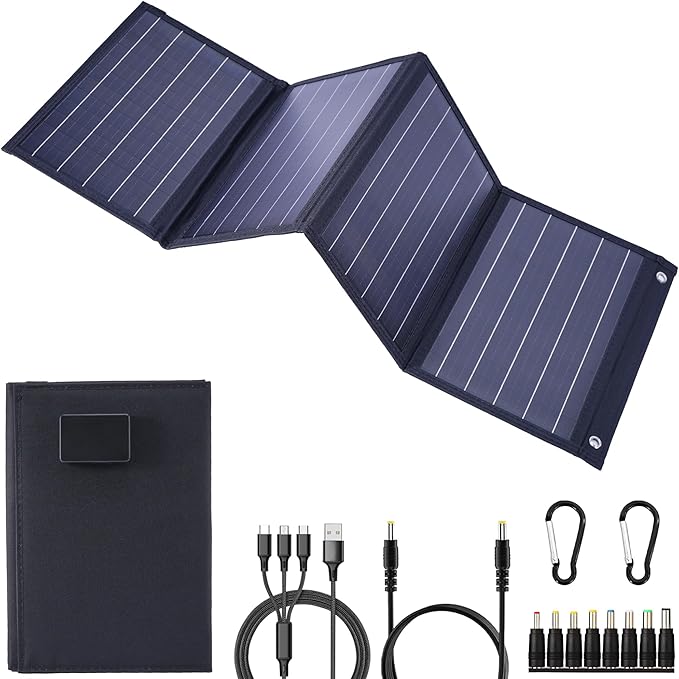
2. Goal Zero Nomad 100
★★★★★
Goal Zero has established itself as a leader in portable solar technology, and the Nomad 100 exemplifies why. This rugged 100W solar panel is built to withstand extreme outdoor conditions with its reinforced frame and protective kickstand. The monocrystalline panels deliver consistent power in various lighting conditions, making it ideal for multi-day camping expeditions. Its versatility shines through compatibility with Goal Zero power stations and direct USB charging capabilities. The Nomad 100 includes protective carrying case and all necessary cables.
Key Features: 100W output, robust frame, integrated kickstand, multiple output options, protective carrying case, weather-sealed connections
$249-$299
Pros: Outstanding durability, excellent customer service, reliable in cloudy conditions, proven track record
Cons: Slightly heavier than competitors, less compact when folded, premium pricing

3. BLUETTI PV200 Solar Panel
★★★★☆
The BLUETTI PV200 is the powerhouse for serious off-grid enthusiasts and extended camping trips. With 200W of pure solar power, this dual-panel system can charge large power stations and multiple devices simultaneously. The panels feature cutting-edge monocrystalline technology with superior heat resistance, maintaining performance even in hot climates. Designed for seamless integration with BLUETTI power stations, the PV200 also works with most portable power solutions through its MC4 connectors. The foldable design includes reinforced aluminum frames for long-term durability.
Key Features: 200W output, dual-panel design, MC4 connectors, aluminum frames, foldable structure, heat-resistant materials
$699-$799
Pros: Highest power output available, excellent for power stations, superior build quality, excellent temperature management
Cons: Heaviest option at 7.7 lbs, highest price, overkill for casual campers, requires compatible power station

4. Jackery SolarSaga 80W
★★★★☆
The Jackery SolarSaga 80W represents excellent value for budget-conscious travelers who don’t want to compromise on quality. Delivering 80W of reliable power through high-efficiency monocrystalline cells, this solar panel handles phones, tablets, and smaller devices with ease. Its lightweight construction at 3.3 lbs makes it perfect for backpackers counting ounces. The panel includes automatic voltage regulation and multiple USB outlets for simultaneous charging. Jackery’s reputation for quality extends to this affordable model, with robust warranty coverage and responsive customer service.
Key Features: 80W output, compact foldable design, multiple USB ports, automatic voltage regulation, weather-resistant materials
$179-$219
Pros: Most affordable option, lightweight and portable, reliable performance, good warranty coverage
Cons: Lower power output, slower charging for high-power devices, fewer output options than premium models

5. Renogy 100W Portable Solar Panel
★★★★★
Renogy’s 100W Portable Solar Panel strikes an ideal balance between performance, portability, and price. This versatile charger features high-efficiency monocrystalline cells delivering consistent power across various weather conditions. The foldable design with integrated carrying handle makes transportation effortless, while the sturdy aluminum frame ensures durability through multiple camping seasons. Renogy includes an MC4 connector for power station compatibility alongside traditional USB outputs. The panel’s smart temperature control prevents damage in extreme heat while maximizing efficiency in cooler environments.
Key Features: 100W output, monocrystalline cells, MC4 connectors, USB outputs, smart temperature control, aluminum frame
$189-$239
Pros: Excellent value, balanced performance, works with power stations and direct devices, lightweight at 2.9 lbs
Cons: Slightly less efficient in poor lighting, lower profile brand recognition, cable organization modest

Comprehensive Buying Guide
Understanding Solar Charger Specifications
Solar charger power output, measured in watts, directly impacts charging speed and capability. A 100W charger can power multiple devices simultaneously, while 50-80W panels work best for single-device charging. However, real-world output depends on sunlight intensity, panel angle, and weather conditions. Expect 50-70% of rated wattage during average cloud cover. Efficiency ratings, typically 20-23% for modern monocrystalline panels, indicate how much solar energy converts to usable electricity. Higher efficiency means faster charging with less panel surface area required.
Choosing Based on Your Activities
Weekend campers with smartphones and smartwatches benefit from 50-80W panels like the Jackery SolarSaga. Multi-day backpacking trips require compact 100W options such as the Anker 625 or Renogy 100W for charging multiple devices without excessive weight. For extended off-grid living or powering laptops, portable power stations, and multiple gadgets, invest in 100W+ panels or the BLUETTI PV200 for maximum flexibility. If you plan to travel to remote locations with limited charging infrastructure, pairing a solar panel with a portable power station provides the most versatility.
Weight and Portability Considerations
Solar charger weight becomes critical during extended hiking. A 2.65 lb panel like the Anker 625 adds minimal burden, while heavier options like the 7.7 lb BLUETTI work better for car camping or base camps. Foldable designs compress significantly for backpacks, but larger 200W panels require dedicated carrying cases. Consider your mode of transportation—backpacking prioritizes weight, car camping allows heavier high-power options, and kayaking demands compact ultra-lightweight solutions. The Jackery SolarSaga’s 3.3 lbs represents the sweet spot between portability and usable output.
Output Compatibility and Connectivity
Modern solar chargers offer diverse connectivity options. USB-A and USB-C ports directly charge phones and tablets, while DC outputs power laptops and larger devices. MC4 connectors enable integration with portable power stations, creating flexible energy systems. DC barrel connectors work with specific power station models. Check your devices’ charging requirements before purchasing—not all chargers support every connector type. Some panels include multiple output types, providing maximum versatility for mixed-device expeditions. Premium models often include surge protection and voltage regulation to safeguard sensitive electronics.
Durability and Weather Resistance
Off-grid adventures expose solar chargers to demanding conditions. Look for reinforced frames, weather-sealed connections, and materials rated for temperature extremes. Monocrystalline panels outperform polycrystalline varieties in efficiency but cost more. Goal Zero’s Nomad 100 excels in rugged conditions with its protective frame and sealed joints. Jackery and Anker both incorporate weather-resistant fabrics and durable kickstands. BLUETTI’s aluminum frames and heat-resistant materials suit extreme climates. Check warranty coverage—premium brands like Goal Zero typically offer longer protection periods and superior customer service.
Cost-Benefit Analysis
Solar charger pricing ranges from $179 to $799, reflecting performance differences and brand reputation. The Jackery SolarSaga represents best value under $200, delivering solid 80W performance. Mid-range $200-$300 options like Anker 625, Goal Zero Nomad 100, and Renogy 100W maximize performance-per-dollar. Premium $700+ panels justify costs only for serious off-gridders or power-hungry applications. Calculate total cost of ownership by considering durability—higher-priced brands typically last longer and maintain efficiency. Compare price-per-watt: budget options provide $2.25-$2.39/watt, while premium choices offer $3.50-$4.00/watt.
Frequently Asked Questions
How long does it take to charge a phone with a solar charger?
Charging time depends on solar panel wattage, sunlight intensity, and phone battery capacity. A 100W panel in direct sunlight typically charges a 4000mAh smartphone to 50% in 30-45 minutes. Cloudy conditions extend this to 2-3 hours. Smaller 80W panels require proportionally longer charging times. Actual performance varies significantly based on geographical location, season, time of day, and weather patterns. Always account for reduced output during non-peak sun hours.
Can solar chargers work on cloudy days?
Yes, solar chargers function on cloudy days but with significantly reduced output. Modern monocrystalline panels maintain 20-30% of rated capacity during overcast conditions. Manufacturers test panels under various lighting scenarios, and 2026 models show improved performance in diffuse light. For reliable cloudy-day charging, choose higher-wattage panels or pair your charger with a portable power station for energy storage. Positioning panels at optimal angles and keeping them clean maximizes available light capture.
What’s the lifespan of a portable solar charger?
Quality solar panels typically last 25-30 years, but portable chargers face different conditions. Well-maintained portable solar chargers function optimally for 5-7 years, with gradual efficiency decline of 0.5% annually. Premium models from Goal Zero and BLUETTI often exceed 7 years due to superior materials. Proper storage in cool, dry conditions and avoiding physical damage extends lifespan significantly. Most manufacturers offer 2-5 year warranties covering defects and premature degradation.
Should I use a solar charger with a power station or charge devices directly?
Direct device charging offers simplicity and convenience for quick charging sessions. Power stations provide flexibility for multiple simultaneous charges, backup power during cloudy periods, and support for high-power devices like laptops. For camping trips, direct charging suffices. Extended off-grid living or powering multiple devices warrants power station investment. Many modern chargers support both methods—check compatibility before purchasing. The BLUETTI PV200, Anker 625, and Renogy 100W all work with or without power stations.
Are solar chargers safe for sensitive electronics?
Modern solar chargers include voltage regulation, surge protection, and smart charging technology to protect sensitive devices. Premium models automatically detect connected devices and optimize power delivery, preventing damage. Cheaper chargers may lack these protections, risking phone and tablet damage. All five reviewed products incorporate protective circuits suitable for smartphones, tablets, and laptops. However, avoid connecting lightning-strike-prone devices during thunderstorms, and store chargers indoors during severe weather to prevent electrical damage.
Final Verdict
The best solar charger for 2026 depends on your specific camping needs, budget, and usage patterns. The Anker 625 Solar Charger emerges as our top overall recommendation, combining 100W power output, lightweight portability, and excellent reliability in a well-rounded package. For budget-conscious adventurers, the Jackery SolarSaga 80W delivers exceptional value without sacrificing quality. Those prioritizing durability and brand heritage should choose the Goal Zero Nomad 100, while serious off-gridders will appreciate the BLUETTI PV200‘s raw power. The Renogy 100W offers the most versatile balance between all considerations.
When making your final decision, consider your typical camping duration, device charging needs, weight constraints, and intended climate conditions. All five products represent genuine quality improvements for 2026, with monocrystalline efficiency and smart charging technology surpassing previous generations. Start with a straightforward 80-100W panel for weekend trips, then expand to power stations and higher-wattage options as your off-grid adventures become more ambitious. Regardless of which model you choose, a quality solar charger ensures your devices stay powered and your adventures continue uninterrupted.
Ready to power your next adventure? Explore the Best Solar Chargers on Amazon Today